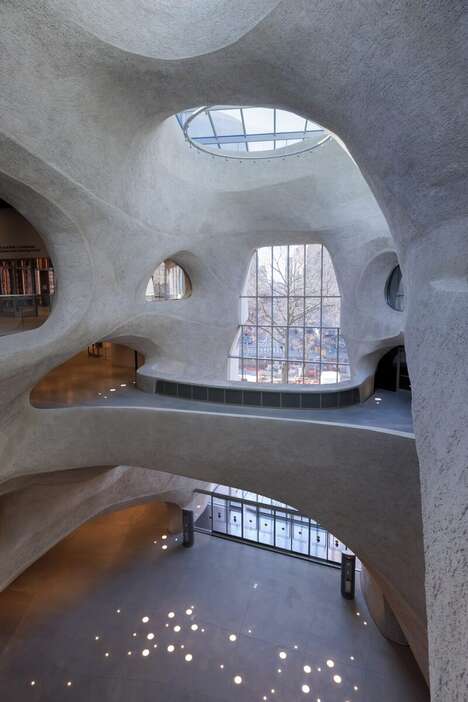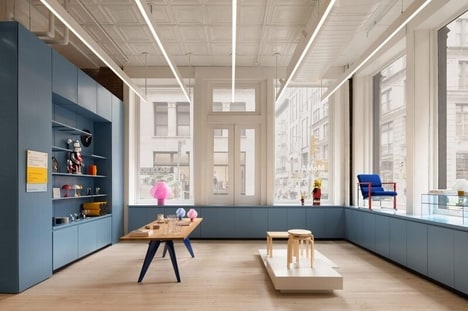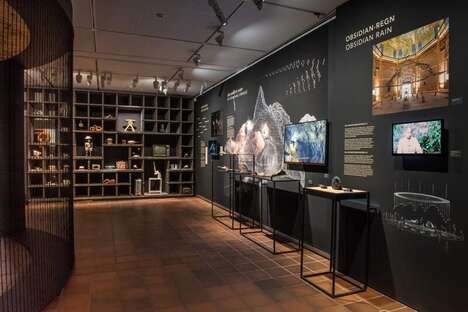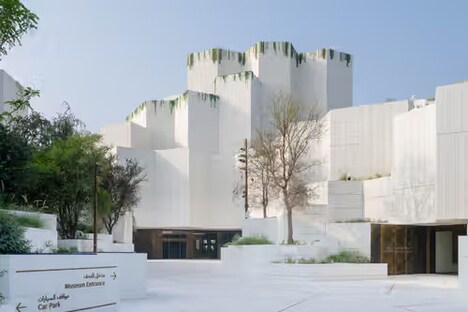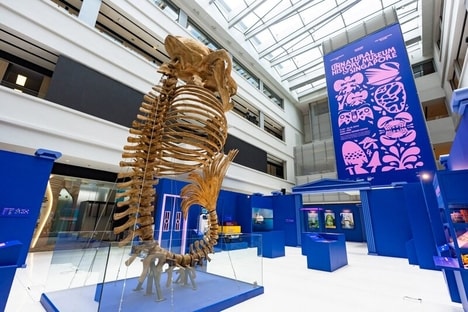
For the past few decades, patrons of the Natural History Museum were greeted by the imposing cast of a dinosaur, however now that studio Casson Mann has revamped the foyer area, they'll be greeted by the massive skeleton of a whale instead.
Unlike the dinosaur cast that took up significant space on the floor, the whale skeleton hangs above the Natural History Museum's information kiosk, which doubles as a bar when night falls. Due to Casson Mann's change, the area has a lot more space available and the impressive ceilings are given more attention due to the whale's ability to attract the attention of all who enter.
Casson Mann's co-founder, Roger Mann, explained the studio's minimal approach by saying, "Over the years, all the different iterations of displays, and information and desks had got a bit ill-considered as a whole, so the starting point was to strip it right back to enjoy the amazing building that it is."
What's Driving This Trend
- Focal Point Repurposing
- Repurposing existing focal points can bring new life to a space and create more room for innovation and creativity.
- Minimalist Space Design
- Minimalist space design can create a more open and dynamic environment for visitors and patrons.
- Multi-purpose Spaces
- Creating multi-purpose spaces can maximize the use of an area and increase its functionality.
Who This Affects Most
- Museum Design
- Innovative design approaches can create memorable experiences for museum visitors while maximizing the use of space.
- Event Spaces
- Multi-purpose event spaces can provide unique and dynamic experiences for guests while also creating more opportunities for revenue generation.
- Retail Spaces
- Repurposing existing focal points and minimalist design can create an inviting and engaging environment for shoppers, leading to increased sales and repeat visits.