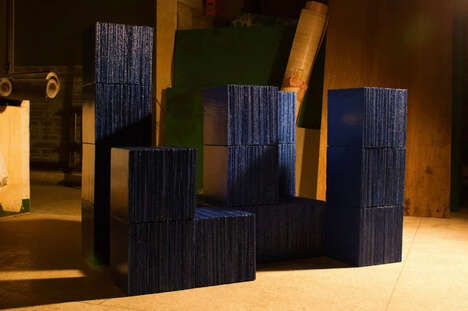
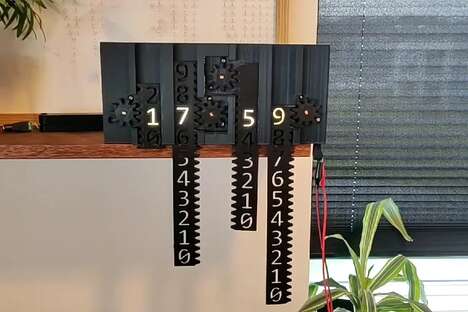
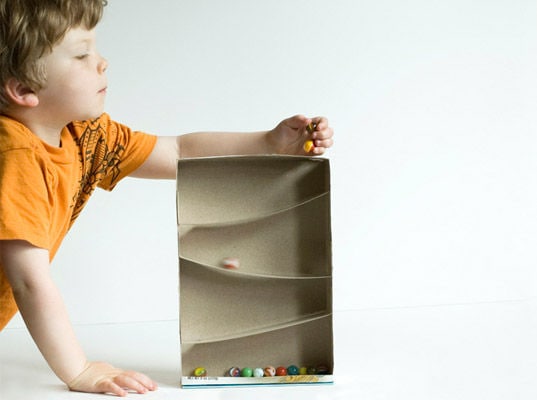
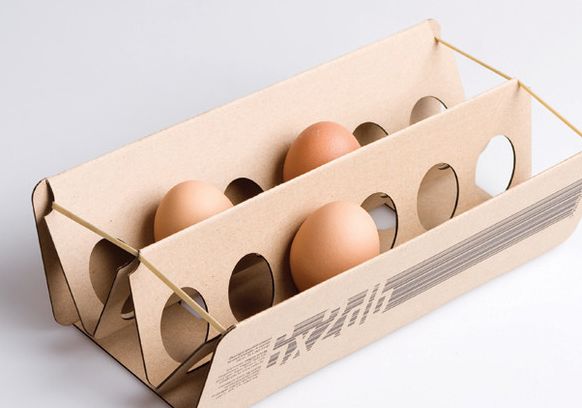
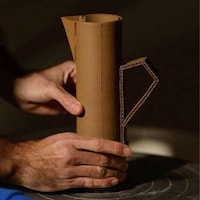
Cardboard Mechanics is an art and design installation created by four students of the Utrecht School of Art and Technology. The Amsterdam-based design and art team members are Saskia Freeke, Fin Kingma, Davy Jacobs, and Sonja van Vuur.
The Cardboard Mechanics installation is a clockwork machine built of cardboard and controlled by open source hardware called an Arduino. Arduino is an open source microcontroller board and free software used to make interactive objects.
Implications - Consumers are attracted to products they feel they can make themselves. Designs that utilize everyday materials appeal to shoppers who desire a closer connection to what they purchase. Corporations could focus on this element in order to increase their level of revenue.
What's Driving This Trend
- DIY Design
- Corporations can tap into the trend of consumers wanting to make their own products by providing DIY design options.
- Everyday Materials
- Designers and manufacturers can capitalize on the appeal of using everyday materials in their products to create a closer connection with customers.
- Open Source Hardware
- The use of open source hardware, like Arduino, presents opportunities for innovation in creating interactive objects.
Who This Affects Most
- Art and Design
- Art and design industries can explore incorporating open source hardware and everyday materials to create unique and interactive installations.
- Consumer Goods
- Manufacturers in the consumer goods industry can develop DIY design options that allow customers to customize their products using everyday materials.
- Education
- The education industry can incorporate open source hardware like Arduino into the curriculum to teach students about interactive design and manipulation of everyday materials.