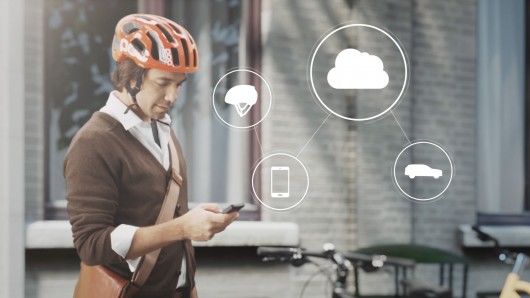
Swedish automaker Volvo is collaborating with also-Swedish helmet manufacturer POC to develop a car-cyclist safety system. The system makes use of a smart helmet and a smartphone app.
To use the system, cyclists must be running a special smartphone app that is able to track their location in real time. Their location information is then routed to a cloud-based program alongside the locations of all the Volvo cars that are also part of the system.
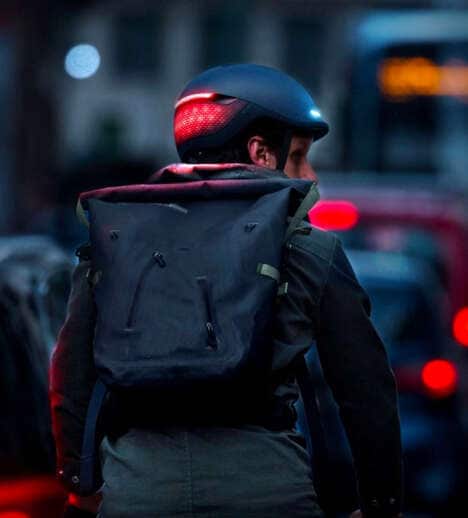
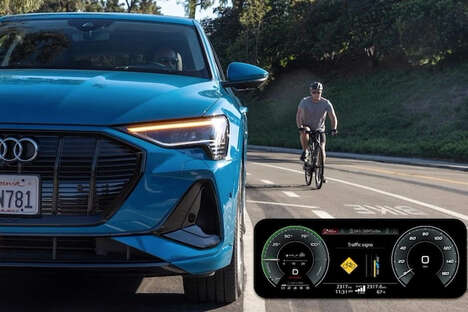
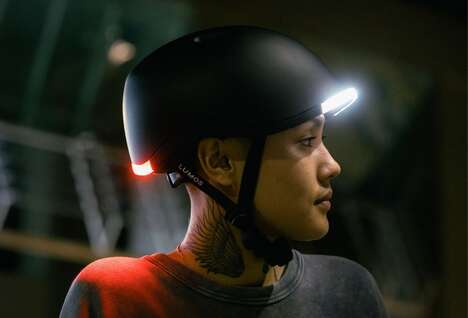
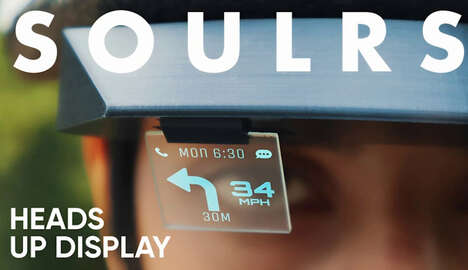
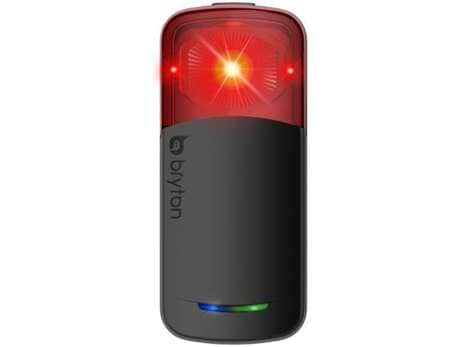
If the software detects that a cyclist and a car are in danger of colliding, it will send an alert to both of them. The cyclist will be notified via a helmet-mounted warning light, while the driver will be alerted via their car's head-up display. Both parties will then be able to buy a few extra seconds to take evasive action and prevent an accident.
What Makes This Trend Stand Out
- Car-cyclist Safety Systems
- Innovations in car-cyclist safety systems have the potential to drastically reduce collisions and improve road safety.
- Smart Helmet Technology
- Advancements in smart helmet technology can enhance communication and provide real-time alerts to cyclists, helping to prevent accidents.
- Cloud-based Tracking Systems
- The use of cloud-based tracking systems enables the real-time monitoring and coordination of cyclists and vehicles, promoting safer interactions on the road.
Sectors Adopting This
- Automotive
- Automotive companies can seize the opportunity to develop and integrate car-cyclist safety systems into their vehicles, offering enhanced safety features for their customers.
- Smart Wearables
- Smart wearable technology manufacturers can explore the integration of safety alerts and communication features into their helmets, catering to the needs of cyclists seeking advanced safety measures.
- Telecommunications
- Telecommunications companies can play a role in providing the necessary infrastructure and support for cloud-based tracking systems, facilitating the seamless exchange of data between cyclists and vehicles.