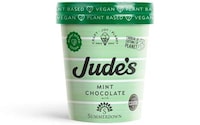
Jude’s ice cream has announced a carbon-negative status to make it the first UK ice cream brand to achieve the sustainability milestone. According to the brand, it is now removing 10% more carbon dioxide from the atmosphere than its existing footprint, which will stand as an example for other brands moving forward. The company has also committed itself to a further 43% reduction in its carbon intensity by 2030 to help keep emissions low across its entire operations and supply chain.
In addition to its carbon-negative status, Jude’s ice cream is also working to support the development of the Yarra Yarra Biodiversity Corridor in southwest Australia through the purchase of its carbon credits to further invest in sustainability.
What's Driving This Trend
- Carbon-negative Food Products
- Food brands can explore carbon-negative initiatives to reduce their carbon footprint and make a positive impact on the environment.
- Sustainable Supply Chain Management
- Brands can focus on implementing sustainability measures in their entire operations and supply chain to reduce their carbon intensity and increase their environmental impact.
- Investment in Biodiversity Conservation
- Companies can invest in biodiversity conservation initiatives to contribute to the fight against climate change and promote environmental sustainability.
Who This Affects Most
- Food and Beverage
- Food and beverage companies can implement carbon-negative and sustainable supply chain practices to reduce their environmental impact and attract environmentally conscious consumers.
- Carbon Credit Trading
- The carbon credit trading industry can benefit from the increasing demand for carbon-negative and sustainable products, enabling companies to invest in biodiversity conservation initiatives.
- Sustainability Consulting
- Sustainability consulting firms can provide guidance and support to companies looking to implement carbon-negative initiatives and sustainable supply chain practices, contributing to the mission of promoting environmental sustainability.