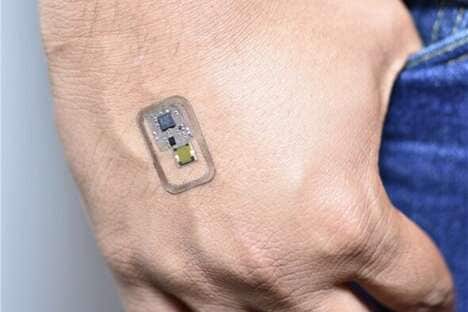
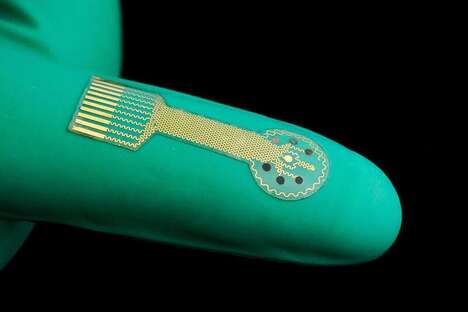
If there's a downside to wearable devices, it's that they're easy to spot, but the Cambridge Graphene Centre and Jiangnan University have developed a new technology that could turn wearables invisible. Rather than a wristband or even a small chip hidden in clothing, the Cambridge Graphene Centre's new wearable technology is the material of the clothing itself. Specifically, the researchers have developed a way to turn cotton into a motion sensor through the use of graphene.
The team created the graphene textiles by modifying flakes of graphene so that they would firmly stick to cotton fibers, in much the same way as dye. This graphene ink subsequently turns the cotton into a conductive textile that can be used to create smart clothing.
What Makes This Trend Stand Out
- Motion-sensing Textiles
- Opportunity for creating smart clothing that can detect movements and gestures.
- Graphene-enhanced Wearables
- Opportunity to integrate graphene into various wearable devices for enhanced functionality.
- Invisible Wearables
- Opportunity to develop wearables that are disguised within the fabric of clothing for a more seamless and discreet user experience.
Sectors Adopting This
- Fashion
- Integration of motion-sensing textiles and graphene-enhanced wearables can transform the fashion industry by merging technology with clothing design.
- Technology
- Graphene-based technology provides opportunities for innovation in the wearable tech sector.
- Sensors
- The development of motion-sensing textiles opens up new possibilities for sensor technologies and applications across various industries.