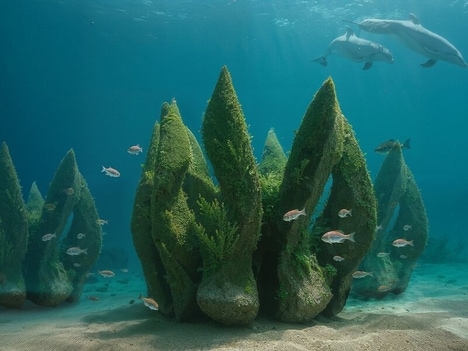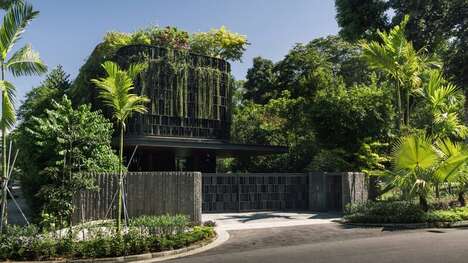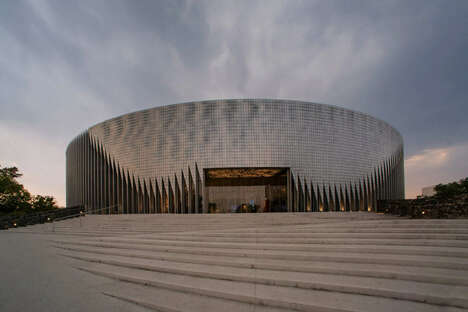


To the declining population of the monarch butterfly in New York City, Terreform One is responding with a butterfly habitat that will be incorporated into the facade of a new eight-story building. The vision of the nonprofit architecture firm is quite mesmerizing and unique. The concept does not only contribute to sustainability, but it also adds an aesthetically pleasing and one-of-a-kind characteristic to the building.
The butterfly habitat will be executed in the form of a terrarium that is attached to the wall of the structure. The space is going to be climate-controlled and filled with vegetation that is essential to the survival of the monarch butterfly. This will be further supplemented through the incorporation of a rooftop garden with "pollinator-friendly plants," as well as " 3D-printed from carbon-sequestering concrete" to give areas for the butterflies to land.
Photo Credits: Mitchell Joachim/ Terreform One
Key Themes Behind This Trend
- Butterfly Habitat-converting Buildings
- Creating building facades that double as butterfly habitats presents an opportunity for architects and developers to contribute to sustainability while adding unique features.
- Climate-controlled Terrariums
- Integrating climate-controlled terrariums into buildings can provide a controlled environment for various species and open up opportunities for nature-focused experiences.
- Pollinator-friendly Architecture
- Designing buildings with rooftop gardens and pollinator-friendly features supports biodiversity and presents potential for creating more sustainable urban environments.
Where This Applies
- Architecture
- Architects can explore innovative designs that incorporate habitats for wildlife, such as butterfly terrariums, to create environmentally conscious buildings.
- Construction
- The construction industry can provide materials and techniques for creating climate-controlled terrariums and carbon-sequestering concrete to realize wildlife-friendly building facades.
- Urban Planning
- Urban planners can consider integrating pollinator-friendly architecture into city designs to promote biodiversity and create sustainable urban habitats.