
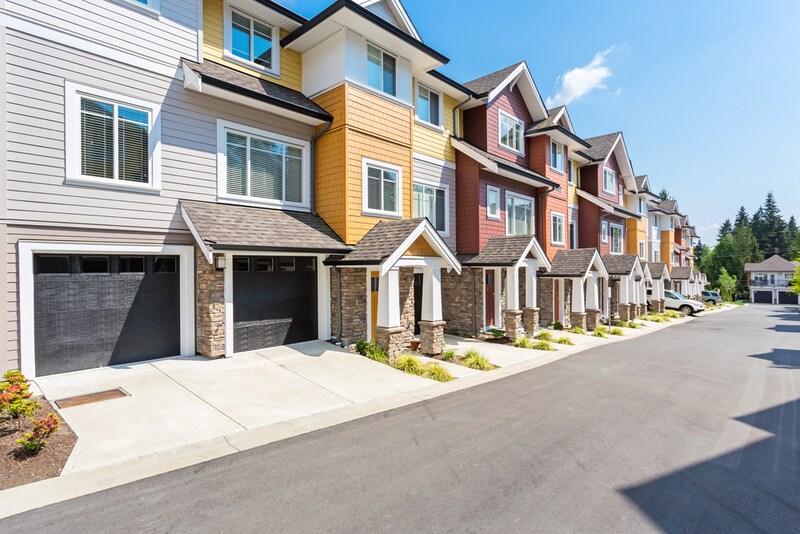
Build Canada Homes is a federal program announced by the Government of Canada designed to accelerate the delivery of new, energy‑efficient, and purpose‑built housing through a mix of financial support, regulatory coordination, and investment in manufacturing and modular construction capacity. The program targets a range of housing types including purpose‑built rental, modular and prefabricated units, and transit‑oriented developments, and emphasizes partnerships with provinces, territories, municipalities, Indigenous communities, and private sector builders to site, approve, and deliver projects more quickly. Funding streams under the initiative are structured to reduce upfront capital barriers for construction, support scalable factory production of housing components, and lower lifecycle operating costs through higher energy performance standards.
Program objectives include increasing housing supply in high‑need regions, shortening project timelines by encouraging off‑site manufacturing and streamlined approvals, and advancing sustainability through net‑zero or low‑carbon building practices and materials. The initiative incorporates support for workforce development and training in modern construction methods to expand capacity for modular and mass timber systems, and includes mechanisms for targeting projects that deliver affordability outcomes for households with the greatest need. Implementation relies on coordinated federal‑provincial partnerships, project selection criteria emphasizing deliverability and community impact, and monitoring of outcomes related to units delivered, greenhouse gas reductions, and cost‑effectiveness.
Image Credit: rawmn / Shutterstock.com
Why This Trend Is Growing
- Modular and Prefabricated Construction
- Rising demand for modular and prefabricated construction supports innovation in manufacturing efficiency and customization in housing solutions.
- Energy-efficient Building Practices
- Adoption of net-zero and low-carbon standards in housing catalyzes advancements in environmentally sustainable materials and techniques.
- Public-private Housing Collaborations
- Enhanced partnerships between government bodies and private builders foster innovative regulatory and financial models for rapid housing development.
Industries Being Reshaped
- Construction Manufacturing
- The construction manufacturing industry sees transformative growth with increased investment in scalable factory production of housing components.
- Renewable Materials Industry
- Advancements in sustainable and renewable materials set the stage for greener construction practices to meet low-carbon and net-zero building standards.
- Urban Planning and Development
- Efficient transit-oriented housing developments create new avenues for urban planning firms to integrate transportation and living spaces.