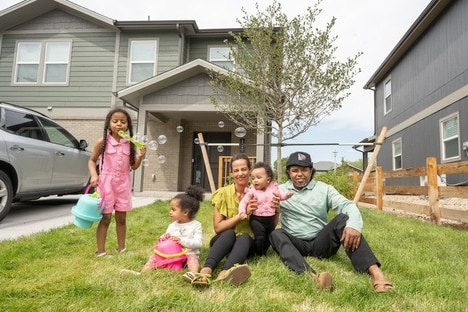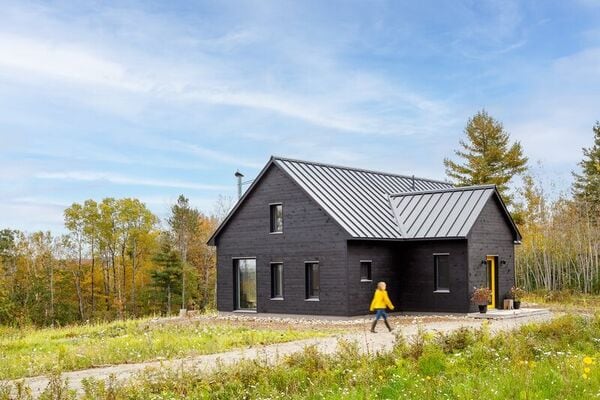
Whirlpool Corporation has reinforced its long-standing partnership with Habitat for Humanity through an extended $2.5 million commitment to the BuildBetter initiative, which focuses on constructing energy-efficient, climate-resilient homes for low-income families. The program, which launched in 2021, has already facilitated the construction of over 260 homes in the US. The built structures are reported to achieve an average 45% reduction in predicted energy costs and a 15% decrease in greenhouse gas emissions per household.
The next phase of the partnership will expand these efforts by introducing 50 net-zero-energy-ready homes, further advancing sustainability while reducing long-term utility expenses for homeowners. By exceeding local building codes, the initiative not only improves living conditions but also establishes measurable benchmarks for energy-efficient construction industry-wide.
Image Credit: Whirlpool Corporation
What Makes This Trend Stand Out
- Net-zero-energy Homes
- The expansion to 50 net-zero-energy-ready homes highlights a shift toward sustainability that could redefine energy standards in residential construction.
- Affordable Energy Efficiency
- Building homes that achieve significant reductions in energy costs exemplifies a growing trend of making energy efficiency more accessible to low-income households.
- Climate Resilience in Housing
- The focus on constructing climate-resilient homes signifies an emerging priority in addressing climate change through innovative housing solutions.
Sectors Adopting This
- Sustainable Construction
- The BuildBetter initiative is driving advancements in eco-friendly building practices, pushing the sustainable construction industry towards higher standards.
- Renewable Energy Solutions
- Introduction of net-zero-energy-ready homes highlights opportunities for the renewable energy sector to innovate in cost-effective, scalable energy solutions for residential properties.
- Home Appliance Manufacturing
- Whirlpool's involvement in energy-efficient homes encourages the home appliance industry to align their products with sustainable, low-energy consumption standards.