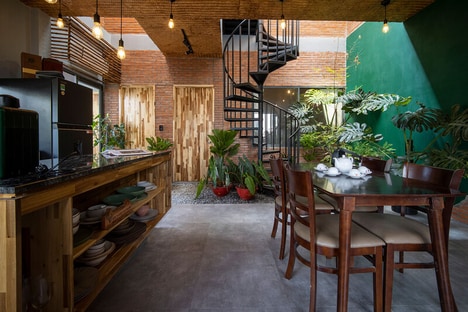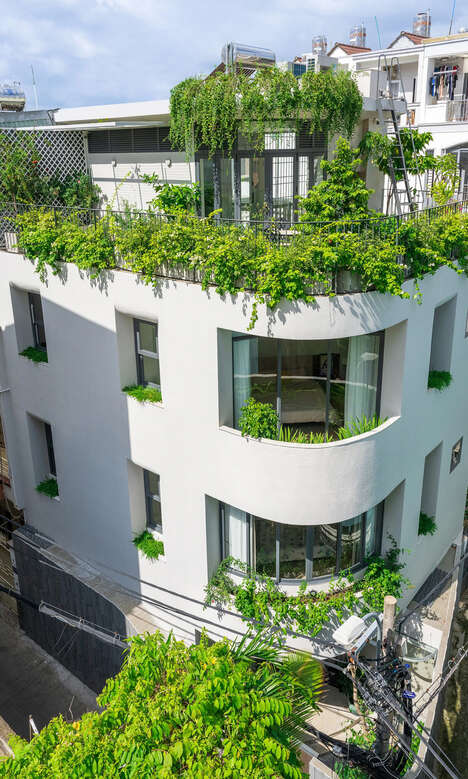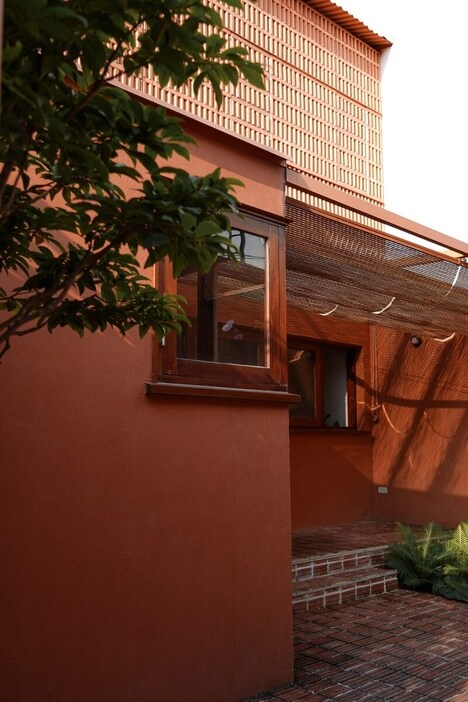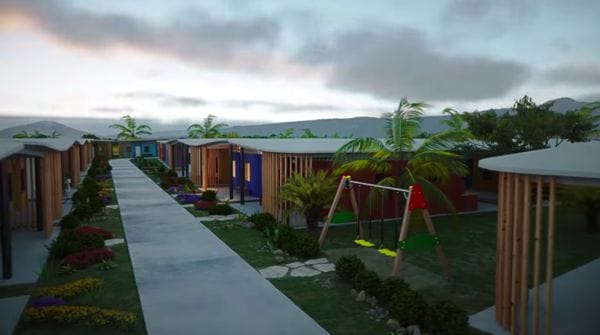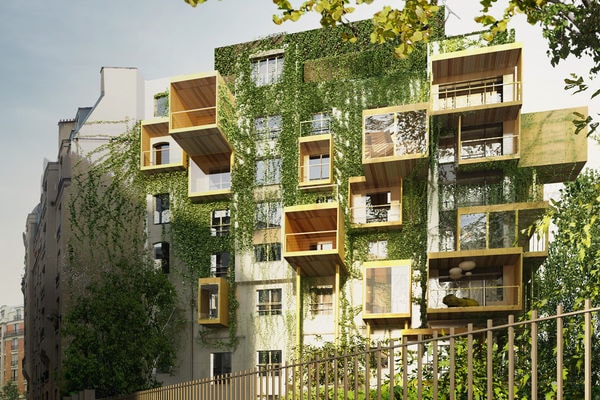


The 'Breathing House' by Vo Trong Nghia Architects is situated in a densely populated area of Ho Chi Minh City. The structure's roof and walls are covered in climbing plants, creating a nature-friendly aesthetic that also serves a dual purpose.
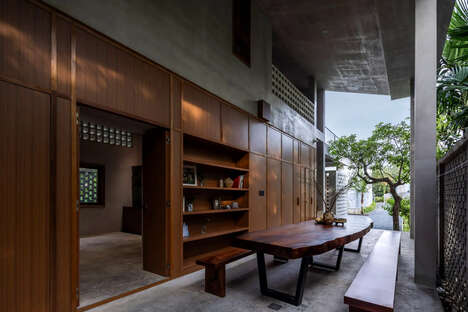
This type of design is a popular approach for the studio which frequently relies on plants to play a constituent role in architectural concepts. The building is only accessible through a narrow alleyway and the aesthetic of the Breathing House allows for residents to have a tranquil experience with "private outdoor spaces." These are described by Vo Trong Nghia Architects as "micro voids" and give residents access to homey, airy and bright spaces.
Photo Credits: Hiroyuki Oki
Key Themes Behind This Trend
- Canopy-covered Building Designs
- Architects are increasingly integrating nature-friendly aesthetic design to serve a dual purpose.
- Micro Voids
- Design strategies that create private outdoor spaces where residents can enjoy airy and bright spaces will continue to gain popularity.
- Privacy-conscious Architecture
- Architecture firms are designing structures to respect the privacy of residents, making privacy an essential part of the design process.
Where This Applies
- Architecture
- The architecture industry has opportunities to explore innovative and sustainable design concepts that incorporate greenery into structures.
- Real Estate
- Real estate companies can focus on offering properties that prioritize privacy and provide micro voids, which could attract privacy-conscious homebuyers.
- Landscaping
- Landscaping companies can explore the trend of incorporating plant life into building designs, creating living walls and roof gardens around structures.