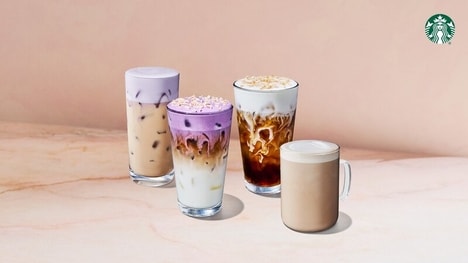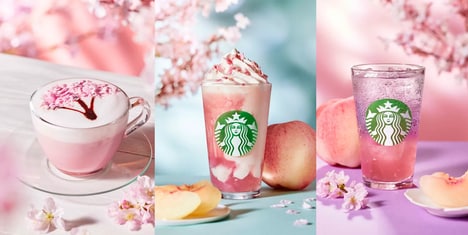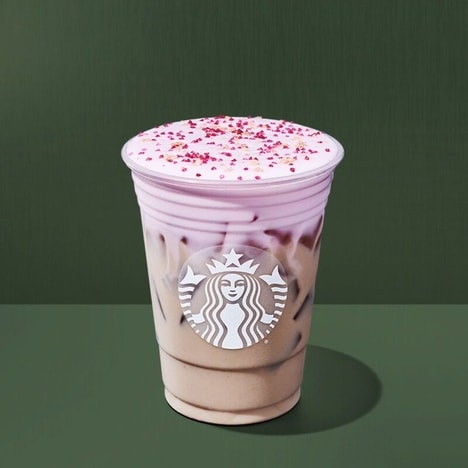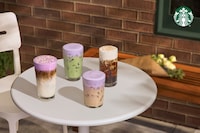
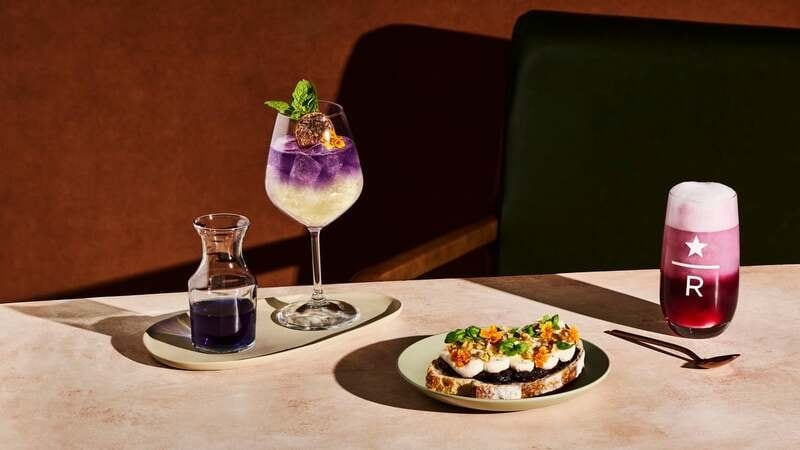
This spring, a fresh lineup of colorful, botanical-inspired beverages are coming to Starbucks Reserve Roasteries and stores in Chicago, New York City, and Seattle. Purple is a common color across the lineup, whether it's just a touch on the Lavender Matcha Malt or experienced from first sip to last with the Iced Ube Coconut Latte—the first Starbucks Reserve coffee beverage made with ube. A journey with color also awaits with the Citrus Butterfly Pea Flower Tea Tasting Journey, which takes after a classic Starbucks Reserve Roastery Tokyo flavor and delights with layers of Sakura Allure tea and a scoop of vanilla gelato.
Alongside these colorful menu additions, customers can look forward to enjoying floral-inspired treats like the Rose Pistachio Twice-Baked Cornetto and Fig Walnut Ricotta Toast, plus cocktails like the Sakura Blossom Negroni and Butterfly Tea Spritz.
Key Themes Behind This Trend
- Botanical-inspired Beverages
- The use of botanical ingredients in beverages highlights a growing consumer interest in natural and plant-based flavors.
- Colorful Culinary Experiences
- The emphasis on vibrant colors in food and beverages is capturing consumer interest, providing an engaging sensory experience.
- Floral-inspired Cuisine
- Incorporating floral notes in cuisine and drinks is expanding flavor profiles, offering consumers unique and aromatic dining experiences.
Where This Applies
- Beverage Industry
- The beverage industry is seeing increased diversification with the incorporation of botanical and floral elements driving product innovation.
- Food Service Industry
- Restaurants and cafes are exploring new menu options with floral and colorful ingredients, shifting how they attract and retain customers.
- Flavor and Fragrance Industry
- Floral and botanical trends are influencing the flavor and fragrance industry, as companies innovate to meet demand for unique sensory experiences.