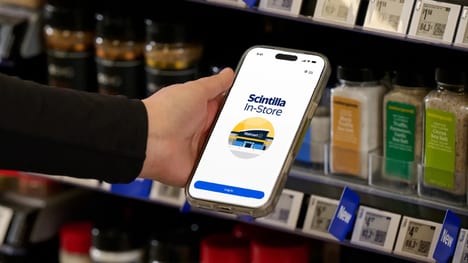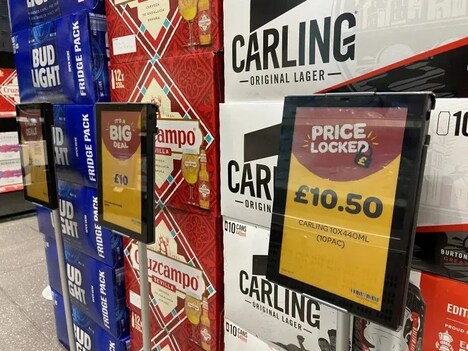
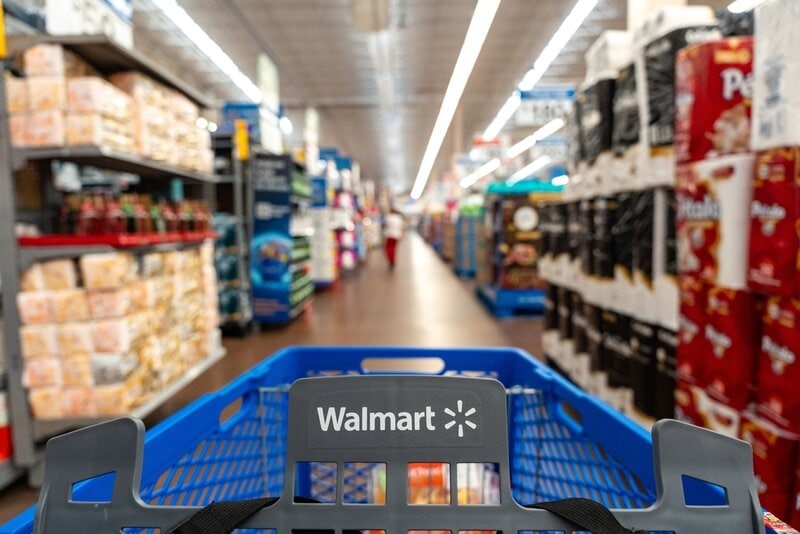
Walmart is expanding in-store navigation with 'Shop to Light,' a shelf-label feature that lets app users search for an item, head to the right aisle, and spot it when the tag starts blinking. Built into the retailer's digital shelf labels, it turns a price marker into a find-me cue in the aisle.
'Pick to Light' uses the same flashing prompt for digital order picking, so the setup works for store labor as well as browsing. With digital shelf labels already in more than 4,300 stores, Walmart is repurposing existing hardware rather than adding another screen-heavy layer.
For retailers, this reframes shelf-edge displays as part of the store's operating system, not just signage. As physical shopping and e-commerce continue to blend, aisle guidance becomes one more convenience shoppers notice and one less friction point for teams filling orders in the same space.
Image Credit: Shutterstock/JRomero04
What's Driving This Trend
- Blinking Shelf Guidance
- Digital shelf labels are evolving into location-aware cues that reduce aisle-search friction for shoppers and staff within existing store infrastructure.
- Dual-use Retail Hardware
- Repurposed shelf-edge technology creates efficiencies by serving customer navigation, inventory workflows, and order picking from the same installed system.
- Hybrid Store Navigation
- App-linked in-store wayfinding bridges online search behavior with physical retail movement, making stores function more like searchable digital environments.
Who This Affects Most
- Retail Technology
- Shelf-based digital infrastructure is becoming a platform for operational intelligence, customer assistance, and real-time merchandising beyond price display.
- Grocery and Mass Retail
- Large-format stores benefit from item-level navigation that helps shoppers and fulfillment teams move through dense assortments with less confusion.
- E-commerce Fulfillment
- In-store picking systems gain new value when visual shelf prompts accelerate order assembly while supporting everyday shopper experiences.