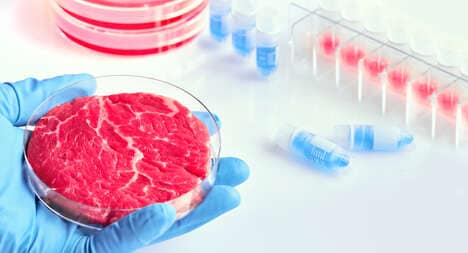
BELIEVER Meat has broken ground on its new US cultivated meat facility in Wilson County, North Carolina. The 200,000 square foot site will initially produce 10,000 metric tons of meat using animal cells that proliferate in bioreactors. The facility will be the largest cultivated meat production center in the world and is intended to replace traditional animal agriculture.
Additionally, the US Food and Drug Administration cleared the safety of the cultivated chicken filets produced by fellow cultivated meat company UPSIDE Foods, leading to an increase in popularity and acceptance of the cultivated meat industry. The new facility is part of a plan to bring 100 jobs to the region over the next three years and will initially invest $123.35m in the county. It is hoped the plant will provide a more sustainable alternative to factory farming and address issues of environmental racism in the local community.
Image Credit: Shutterstock
Key Themes Behind This Trend
- Cultivated Meat Production
- The expansion of cultivated meat production creates opportunities for companies to innovate in bioreactor technology and large-scale cultivation.
- Alternative Protein Sources
- The rise of alternative meat facilities creates opportunities for companies to create and manufacture meat alternatives utilizing plant-based or cell-based protein sources.
- Sustainable Agriculture
- There is an opportunity for innovation in sustainable agriculture practices to address issues of environmental racism in local communities.
Where This Applies
- Meat Production
- Companies within the meat production industry can explore the possibilities of incorporating cultivated meat and alternative protein sources in their products and expand their production capabilities.
- Biotech Industry
- There is a potential for the biotech industry to develop new technologies and bioreactor systems for the manufacturing of cultivated meat, and potentially other products.
- Food Manufacturing
- The rise of alternative protein sources presents opportunities for companies within the food manufacturing industry to create new products made from plant-based or cell-based protein sources.