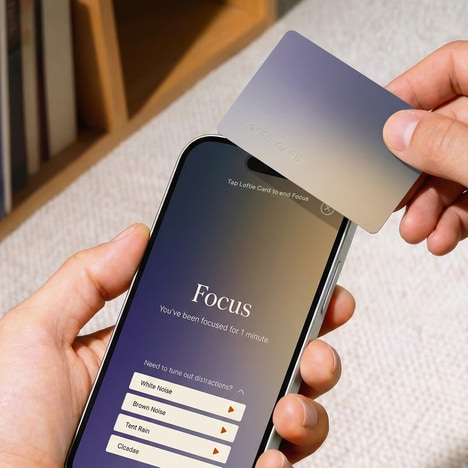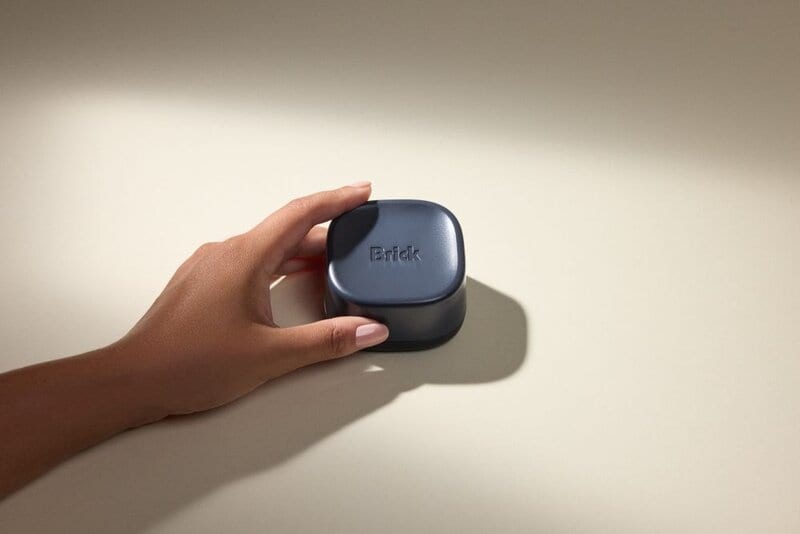
Brick is expanding bedroom-based app blockers with Brick Night, a Bluetooth-enabled device that automatically limits access to selected smartphone apps during designated hours. Unlike traditional blocking tools that require manual activation or fixed schedules, Brick Night detects when a phone enters the bedroom and activates personalized restrictions, helping users reduce distractions before sleeping and after waking.
Once configured, the device applies the user's chosen blocking mode when their phone enters the designated space and restores access when they leave. Multiple people sharing a bedroom can connect their own Brick accounts and customize which apps remain restricted, allowing each person to maintain separate digital boundaries.
For Brick, the $129 device represents its first major product expansion beyond its original offering. Its automated functionality could appeal to individuals and households seeking more consistent screen time habits, strengthening the company's position in digital wellness technology.
Image Credit: Brick
Why This Trend Is Growing
- Room-based Digital Boundaries
- Location-aware app restrictions create opportunities for wellness tools that adapt to household routines and physical spaces instead of relying on user discipline.
- Bluetooth-triggered Screen Limits
- Proximity-based device controls point to new forms of ambient technology that automate behavioral nudges through simple, low-power connectivity.
- Personalized Shared-space Wellness
- Multi-user customization enables digital wellness products to serve families, couples, and roommates with individualized boundaries in the same environment.
Industries Being Reshaped
- Digital Wellness
- Automated app-blocking hardware broadens the category beyond software subscriptions by connecting healthier screen habits to physical environments.
- Consumer Electronics
- Bedroom-focused connected devices reveal potential for niche hardware that manages everyday habits through contextual sensing and companion apps.
- Sleep Technology
- Pre-sleep distraction reduction adds a behavioral layer to sleep tech, complementing tracking devices with tools that shape routines before rest begins.