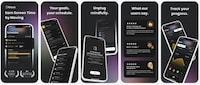
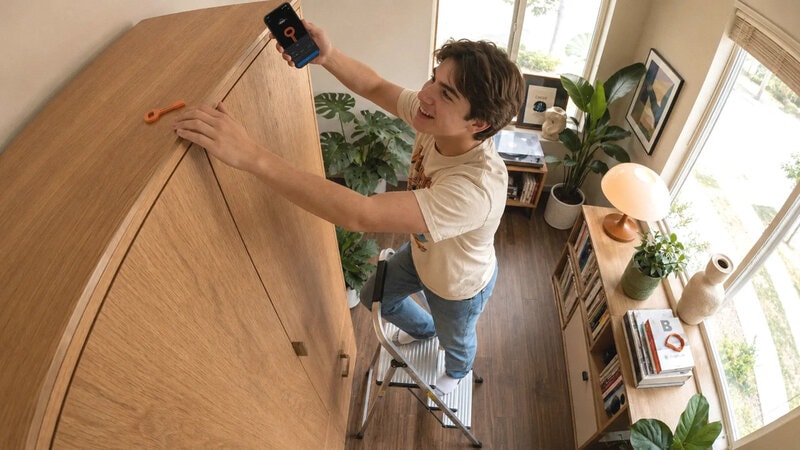
The Autonomous Key has been developed as a relatively simple yet highly effective tool for helping consumers combat against the effects of too much time on social media, doomscrolling and general smartphone use.
The device works by allowing users to lock specific apps that they want to reduce their usage of or completely avoid, which can only be unlocked by using the physical key. This will allow users to unlock up to 60-minutes of time with the app, but really works as a way to help users rethink their use of the app altogether by creating a barrier that requires them to have a second thought.
The Autonomous Key is priced at $9, requires no subscription, works for both Android and iOS users, and will work right out of the box.
Key Themes Behind This Trend
- Physical Digital Restraints
- Tangible controls for app access create new product space for low-cost behavior design tools that interrupt compulsive smartphone habits.
- Subscription-free Wellness Tech
- One-time-purchase digital wellbeing devices challenge recurring software models by emphasizing affordability, simplicity and immediate consumer ownership.
- Intentional App Friction
- Purposeful barriers between users and addictive platforms signal opportunities for products that make digital engagement more conscious and less automatic.
Where This Applies
- Consumer Electronics
- Compact hardware accessories are expanding the role of electronics in everyday mental wellness by turning digital boundaries into physical interactions.
- Digital Health
- Non-clinical tools for screen-time reduction broaden preventative wellness markets with accessible interventions for stress, attention and habit management.
- Mobile Software
- App ecosystem support for external locking mechanisms could reshape how platforms integrate user-controlled limits into smartphone experiences.