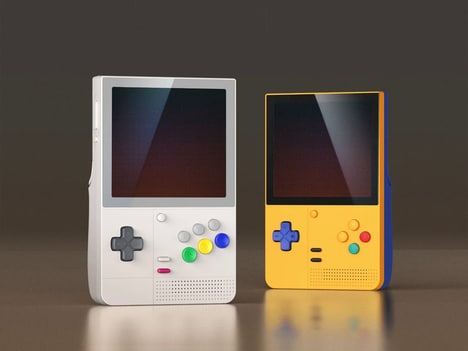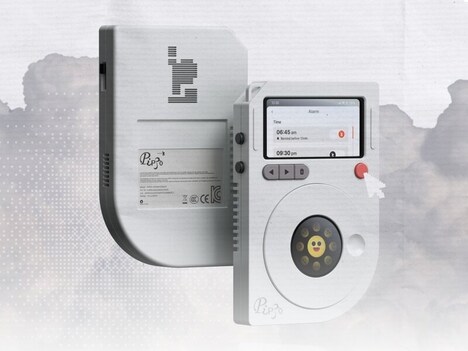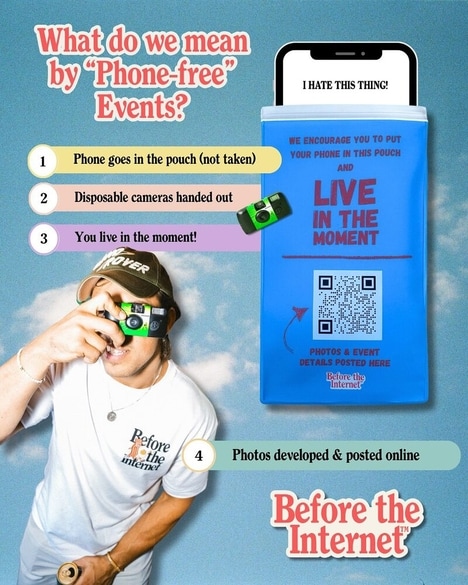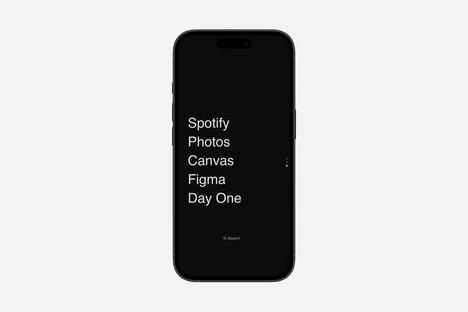
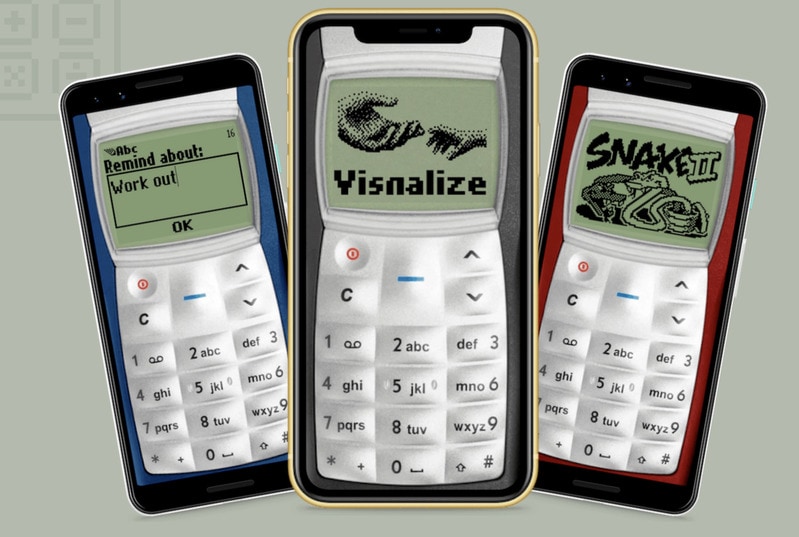
Brick 1100 is a mobile application that recreates the experience of using early-generation mobile phones on modern smartphones. Designed around nostalgia and simplicity, the app replaces contemporary interfaces with retro-inspired visuals, sounds, and limited functionality reminiscent of classic devices.
By reducing access to social media and modern distractions, it emphasizes basic communication and lightweight entertainment features. From a business perspective, products like Brick 1100 reflect growing consumer interest in digital minimalism and intentional technology use. As users seek ways to manage screen time and reduce cognitive overload, simplified digital environments have emerged as a niche but expanding market category. The app demonstrates how nostalgia-driven design can intersect with wellness trends, offering an alternative interaction model within today’s attention-driven mobile ecosystem while highlighting opportunities for products that prioritize focus, simplicity, and user control.
Image Credit: Brick 1100
Key Themes Behind This Trend
- Digital Minimalism Revival
- Rising user demand for pared-down interfaces presents alternatives to feature-bloated apps and can redefine how value is delivered through simplicity.
- Nostalgia-driven User Experience
- Retro aesthetics and constrained functionality create emotionally resonant product modalities that can shift preference away from always-on, algorithmic interactions.
- Attention-conscious Design
- Interfaces engineered to reduce social media friction and cognitive overload offer new paradigms for measuring engagement beyond time-on-screen metrics.
Where This Applies
- Mobile Application Development
- Simplified, nostalgia-inspired apps can carve premium niches within app stores by prioritizing focused utility over feature proliferation.
- Digital Wellbeing Services
- Wellness platforms that integrate minimalist interaction models have the potential to recast behavior-change tools as desirable lifestyle products.
- Advertising and Attention Economy
- Ad models that accommodate reduced-interaction interfaces could enable new monetization strategies that de-emphasize uninterrupted user attention.