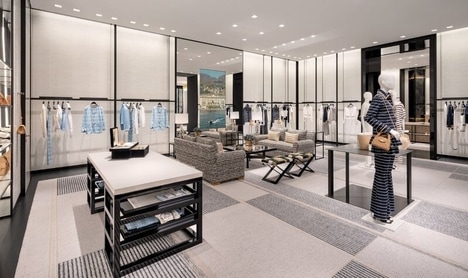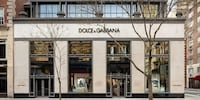

Barneys New York has planned to set the gold standard for ultra-green luxury boutiques with its upcoming LEED-certified Chicago location. The superstore will feature 7 floors and 90,000 feet of Barneys New York goodness, with a penthouse Fred’s restaurant and a two-floor menswear section organized by lifestyle rather than by clothing type.
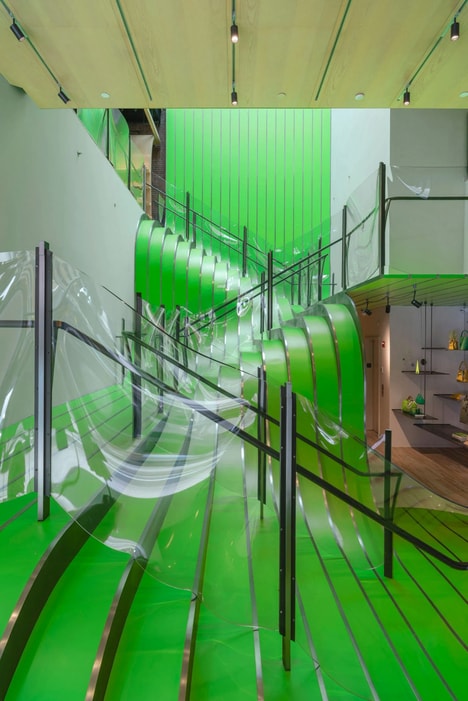
In the first image, you’ll see the giant glass and limestone staircase that serves as the focal point for the Jeffrey Hutchison & Associates interior of Barneys New York’s Chicago location. A living green rooftop will help keep the building warm during the winter and cool during the summer, while giant glass windows will flood each floor with natural light.
What Makes This Trend Stand Out
- Sustainable Luxury
- The trend of LEED-certified superstores provides an opportunity for luxury retailers to showcase their commitment to sustainability and attract environmentally-conscious customers.
- Lifestyle-oriented Retail
- Organizing retail spaces by lifestyle rather than clothing type is an emerging trend that offers a more personalized shopping experience and encourages customers to explore a wider range of products.
- Green Architecture
- The use of green rooftops, energy-efficient designs, and natural lighting in buildings is a growing trend in architecture, presenting opportunities for innovative and eco-friendly construction practices.
Sectors Adopting This
- Luxury Retail
- LEED-certified superstores are disrupting the luxury retail industry by setting new standards for sustainable practices and appealing to conscious consumers.
- Retail Design
- The shift towards lifestyle-oriented retail spaces requires expertise in store layout and design to create immersive and curated shopping experiences.
- Architecture and Construction
- The demand for green architecture and LEED-certified buildings is driving innovation in the architecture and construction industry, creating opportunities for sustainable building materials and technologies.