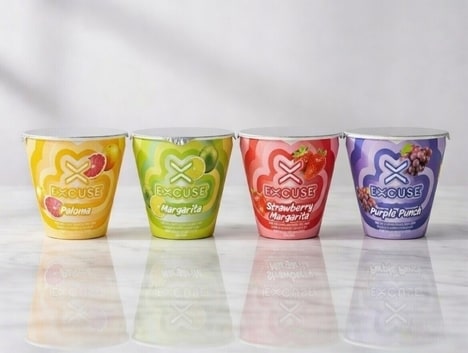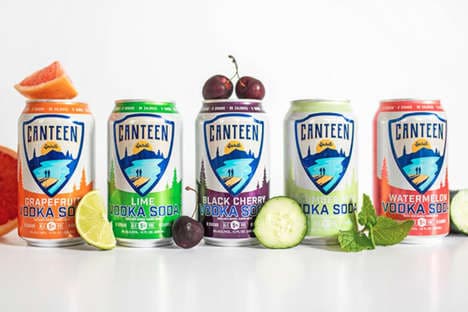
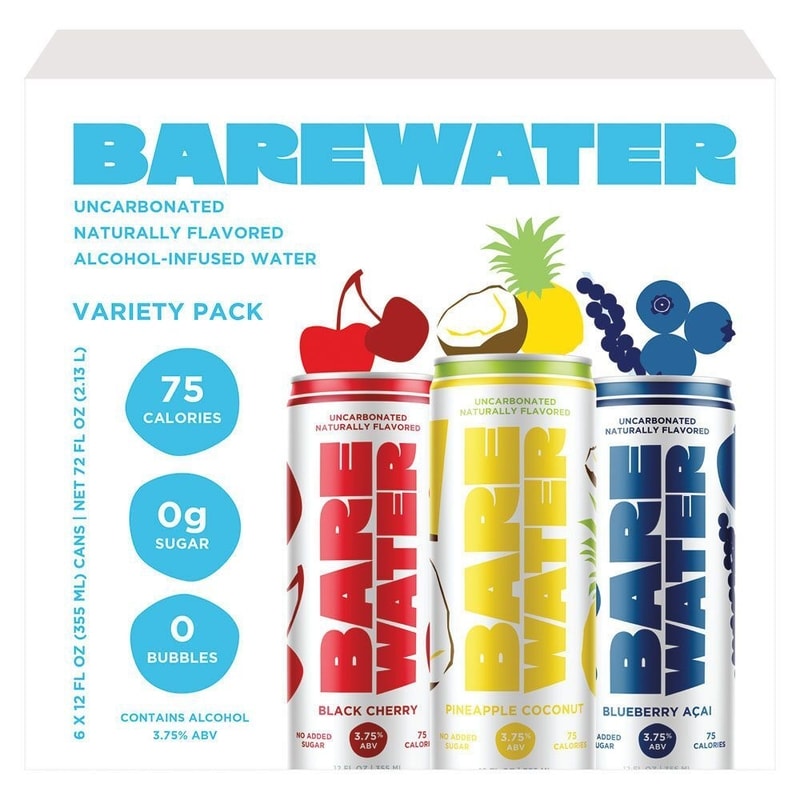
When sparkling water feels too plain but the occasion isn't right for something bubbly or even a low-alcohol cocktail, Barewater is an option that hits a sweet spot by delivering clean, simple, alcohol-infused water refreshment. With spiked water in demand, Aldi dropped an uncarbonated, naturally flavored spiked water of its own that comes in at zero sugar, 3.75% ABV and just 75 calories. In a Barewater variety pack, vibrant flavors are ready to be sipped and shared, including Black Cherry, Pineapple Coconut, and Blueberry Açai.
Alcohol-infused water is having a moment because it speaks directly to drinkers who want the social ease of alcohol without excess sugar, calories or intensity of some alcoholic options. Barewater aligns with a generation that prioritizes clean labels and mindful consumption, offering a drink that feels effortless and uncomplicated.
Key Themes Behind This Trend
- Still Spiked Waters
- A growing preference for non-carbonated, low-calorie alcoholic refreshment creates space for ready-to-drink formats that move beyond hard seltzers and canned cocktails.
- Mindful Alcohol Formats
- Moderation-focused drinkers are reshaping alcohol innovation around lighter ABV, zero sugar and uncomplicated ingredient profiles that fit casual social occasions.
- Clean-label Party Drinks
- Naturally flavored canned alcohol products signal a shift toward transparent, easy-to-understand beverages that feel closer to wellness refreshment than traditional alcohol.
Where This Applies
- Alcoholic Beverages
- The rise of spiked water expands the competitive set for beer, seltzer and spirits brands by centering hydration cues, low intensity and everyday drinkability.
- Grocery Retail
- Private-label retailers can use clean, low-calorie alcohol innovations to capture younger consumers seeking affordable alternatives to premium ready-to-drink brands.
- Canned Beverages
- Shelf-stable single-serve packaging supports experimentation with subtle flavors, lighter alcohol levels and portable formats suited to outdoor, social and convenience-driven consumption.