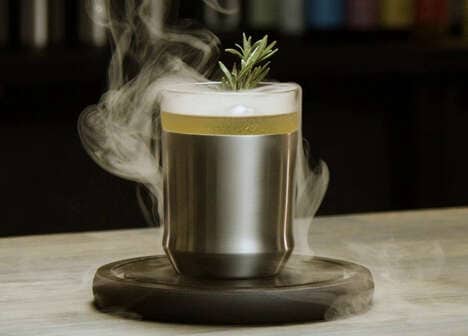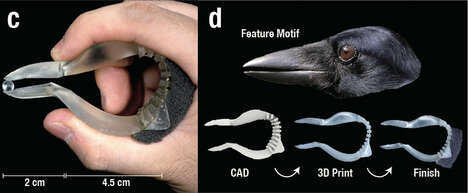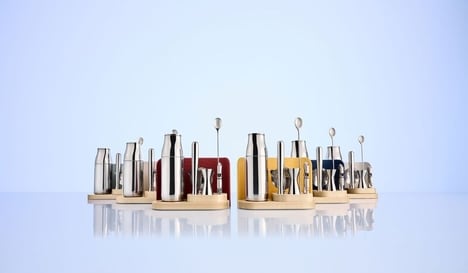
Nature inspires some of the absolute best designs, and a great example of one is this pair of bar tongs. Called Tulip, the utensil takes cues from standard metal tools of this type, but embodies a more organic form, design and function.
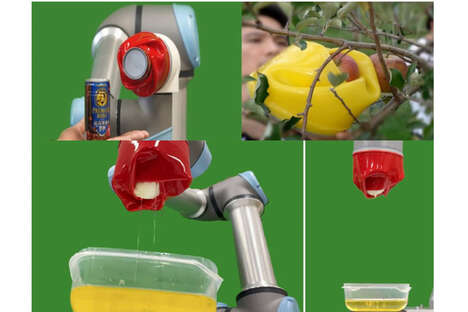
The flexible polymer material is molded as a single piece, though it contains a pair of joined implements. Two thin sections of plastic connect the handles together, yet the pliable material ensures that the shape can be manipulated. Simply squeeze or pinch the midsection of the handgrip and the pincers will separate. With the claws open, you can pick up ice cups, deposit slices of lemon or lime, and help concoct the perfect cocktail. LÚCID makes its bar tongs in a several fresh colors to brighten up your beverage-making kit.
Key Themes Behind This Trend
- Organic-inspired Utensils
- Designing utensils that take cues from nature's forms and functions presents an opportunity for disruptive innovation in kitchenware.
- Flexible Polymer Materials
- Exploring the use of pliable materials like flexible polymer in utensil design can lead to innovative and more versatile tools for various industries.
- Colorful Bar Accessories
- Creating bar accessories in vibrant colors allows for the customization and personalization of beverage-making kits, opening up a market for unique and stylish tools.
Where This Applies
- Kitchenware
- Incorporating organic-inspired designs and flexible polymer materials in kitchen utensils brings opportunity for disruptive innovation in the kitchenware industry.
- Utensil Design
- Exploring the use of organic forms and pliable materials in utensil design presents an opportunity for disruptive innovation in the field of utensil manufacturing.
- Bar Accessories
- Developing colorful and customizable bar accessories can draw attention from the hospitality and beverage industry, providing disruptive innovation opportunities for customized beverage-making kits.