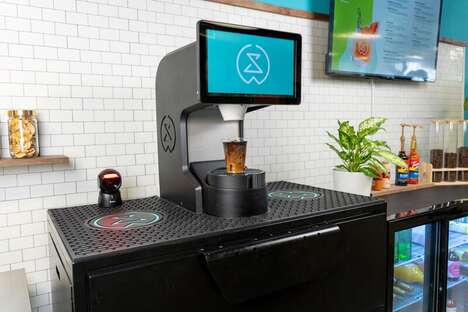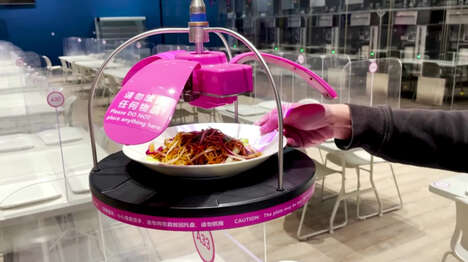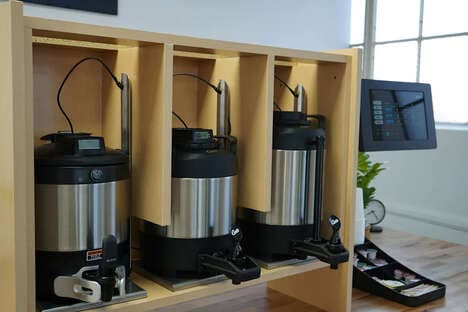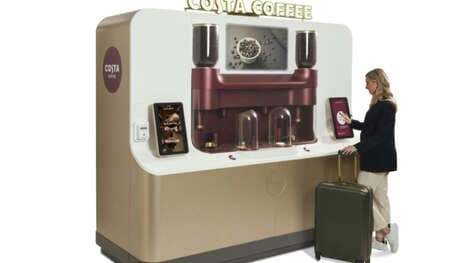
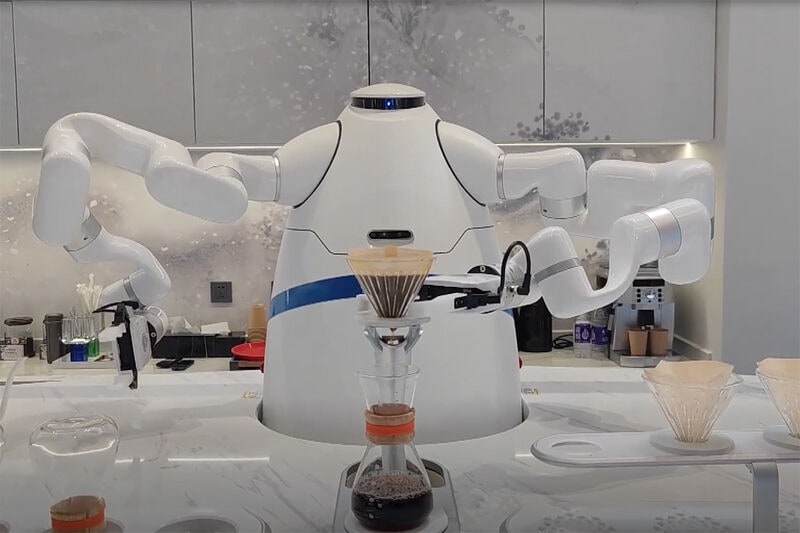
The Olympic Committee put an automatic barista to work at the 2022 Winter Games for the purpose of simplifying the entire coffee brewing process. From grinding to pouring, the robot barista uses its six-axis arms to carry out a variety of tasks to make the process of getting a cup of coffee more convenient, while also minimizing human-to-human contact where possible.
Across the food and beverage industry, robots are helping to speed up the task of preparing and serving a variety of items, all the while freeing up people to perform different tasks to aid others.
At the Olympics, robots are being used as part of China's measures to reduce physical contact where possible for delivering food, cleaning floors, checking temperatures and implementing on-site safety protocols.
What Makes This Trend Stand Out
- Robot Baristas
- The rise of automated baristas is disrupting the traditional coffee shop industry by reducing wait times, minimizing human error, and freeing up staff to perform other customer service tasks.
- Robotics in Food and Beverage Industry
- Robots in restaurants are disrupting the traditional service industry by providing faster, more efficient service, and reducing the need for human-to-human interaction.
- Robots in Event Hospitality
- The use of robots in large event hospitality, such as the Olympics, is disrupting the traditional on-site services industry by allowing for reduced physical contact and more efficient processes.
Sectors Adopting This
- Coffee Industry
- The coffee industry can benefit from incorporating automated baristas to minimize wait times, reduce errors and increase productivity in order to improve customer satisfaction.
- Restaurant Industry
- The restaurant industry can benefit from implementing robots in their kitchens and dining areas to reduce wait times and human error while providing more personalized customer service.
- Event Hospitality Industry
- The event hospitality industry can benefit from the use of robots to implement safety protocols and reduce physical contact, while providing faster and more efficient service to attendees.