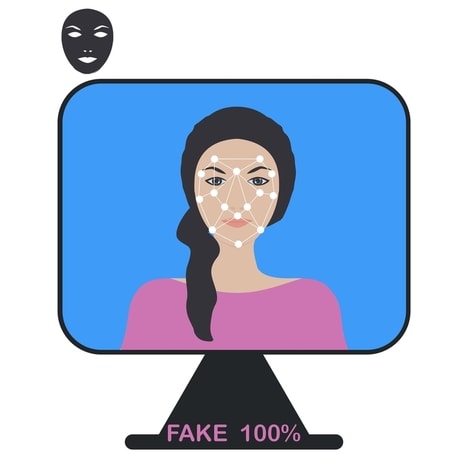
Adobe, Twitter and the New York Times are collaborating to create a Content Authenticity Initiative, which will focus standards for digital content to protect against deepfakes. The digital standards will inform users if content has been altered so it would be obvious if a person was viewing a deepfake.
Specifically, the Content Authenticity Initiative will utilize Adobe technology that provides creators the opportunity to attach verification to content they created. With this type of verification, content creators would receive more credit for the work they do. Verification would also make it clear where content came from.
Dana Rao, the executive vice president and general counsel at Adobe, spoke about the need for digital content verification, “With the proliferation of digital content, people want to know the content they’re seeing is authentic.”
The Content Authenticity Initiative will officially start after a summit is held in the next few months.
Image Credit: Shutterstock
What's Driving This Trend
- Content Authenticity
- The creation of standards for digital content to protect against deepfakes will create opportunities for companies to develop technologies and services to support digital content verification.
- Digital Verification Technology
- Technologies that allow for creators to attach verifications to their content will create opportunities for companies to innovate and compete in the digital verification space.
- Transparency in Digital Content
- There will be opportunities to create more transparency in digital content and to enhance credit for content creators.
Who This Affects Most
- Media and Entertainment
- As deepfakes pose a major threat to media and entertainment industry, there will be opportunities to create and enhance verification technologies.
- Marketing and Advertising
- As fraudulent social media campaigns and ads become more common, there will be an increased need for digital verification services to ensure authenticity.
- Technology
- The technology industry will have several opportunities to create and innovate products and services to create a more transparent and authenticated online experience.