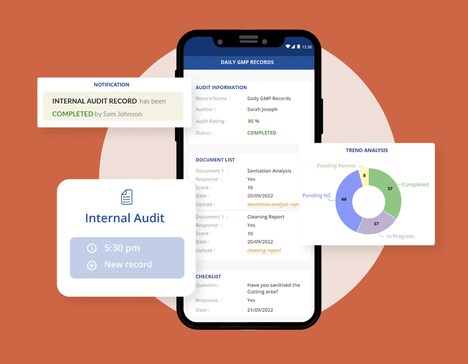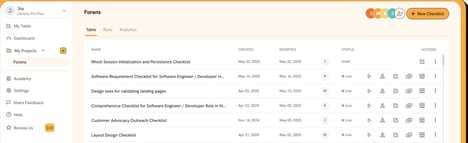
dnl brought its ‘U.S. GAAP Disclosure Checklist,’ built around the accounting rules used in U.S. reporting, to American auditors with an AI workflow that the company says can complete 90% of an audit before signoff. The system reads annual reports, checks required disclosures and returns a review file in which each answer is tied to source evidence.
The checklist covers public companies and state and local governments, giving firms one review path across very different engagements. dnl’s broader platform is already used by 15,000 auditors at 140 firms worldwide. More than 60,000 audits have been completed on it.
dnl shows how evidence-linked answers can turn a disclosure checklist into audit documentation, not just a compliance step, for firms that need files they can defend while leaving less cross-checking to staff.
Image Credit: AI-generated
Key Themes Behind This Trend
- Evidence-linked Auditing
- Source-tied checklist responses create defensible audit documentation while reducing manual verification burdens across complex reporting environments.
- AI Disclosure Review
- Automated reading of annual reports introduces faster compliance validation for firms managing high-volume GAAP disclosure requirements.
- Unified Audit Workflows
- Single-path review systems support consistency across public company, state and local government engagements with fewer fragmented processes.
Where This Applies
- Accounting Services
- Audit firms gain new capacity as AI-enabled documentation tools compress review cycles and shift staff attention toward judgment-based work.
- Regtech
- Compliance technology providers are expanding into evidence-based assurance platforms that merge rule interpretation with verifiable source tracking.
- Public Sector Finance
- Government reporting teams face rising opportunities for standardized audit preparation that aligns diverse disclosure obligations within one workflow.