D2 Intelligence is expanding decision-making AI with a four-app range built for researchers, document teams and people checking everyday risks. The lineup is led by ‘Decitron,’ a general-purpose decision model that works through open-ended problems and produces step-by-step reports for decision-makers instead of a single reply.
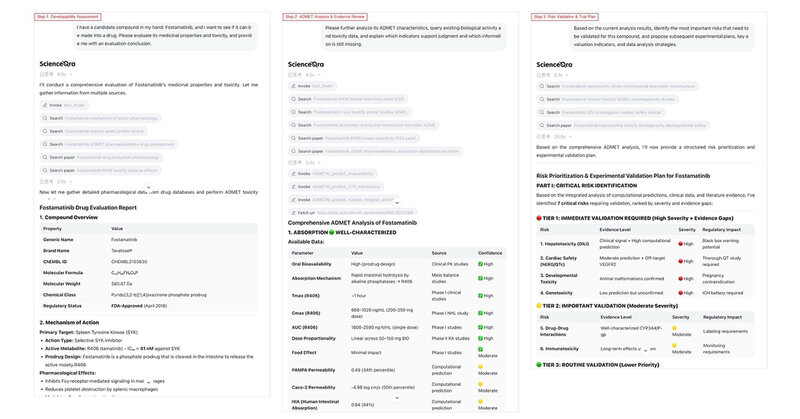
Shown in Hong Kong at FinTech Week x StartmeupHK 2026, the range pairs ‘Decitron’ with ‘DocuMind’ for regulated paperwork. On ‘PolyBench,’ ‘Decitron’ posted 81.20% forecast accuracy, while ‘DocuMind’ cut a trade-finance review to less than 30 seconds. ‘ScienceOra’ rounds out the offering with research support for tasks such as drug developability reviews, and ‘Decitron’ is already available.
‘DocuMind’s’ traceable document flow turns speed into something banks and public-service teams can buy because the system keeps the evidence behind each conclusion. ‘Decitron’s’ report-first output moves decision AI closer to an auditable work product than a chat response.
Image Credit: Wenge AI
Key Themes Behind This Trend
- Auditable AI Workflows
- Traceable reasoning layers are turning AI outputs into reviewable work products for compliance-heavy teams that need evidence behind every conclusion.
- Decision Report Automation
- Report-first AI models are creating new value in complex problem solving by packaging forecasts, assumptions and rationale into formats fit for executive review.
- Regulated Document Intelligence
- Evidence-preserving document systems are reshaping paperwork-heavy operations by combining rapid analysis with audit trails for finance, legal and public-sector use cases.
Where This Applies
- Financial Services
- Banks and trade-finance teams gain disruptive potential from AI tools that accelerate document review while maintaining transparent validation records.
- Government Services
- Public agencies can benefit from decision AI that supports risk checks and citizen-service reviews with accountable, step-by-step documentation.
- Pharmaceutical Research
- Drug development organizations face new opportunities from AI-assisted research tools that assess developability and scientific evidence with structured decision reports.