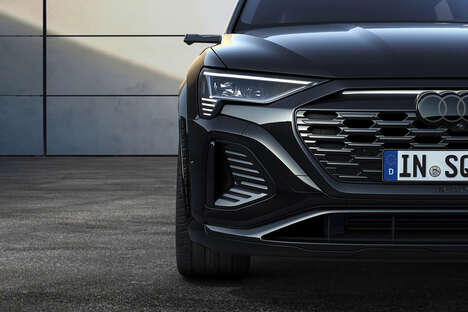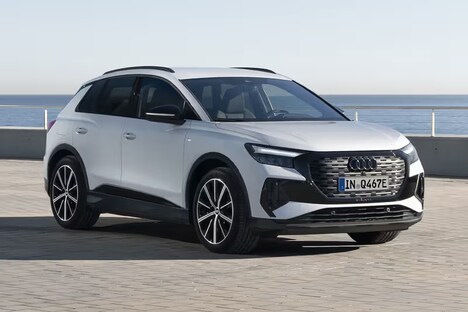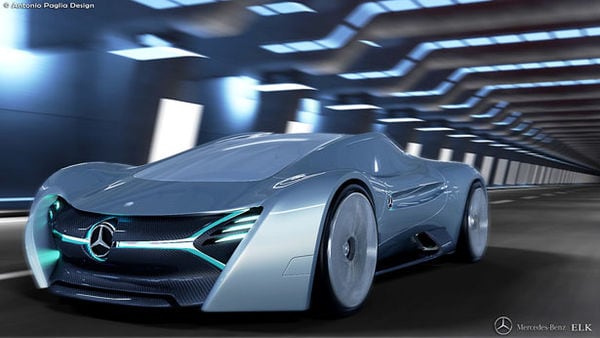
The Audi A6 range of sedans has received an upgrade including more efficient petrol and diesel engines that meet Euro 6 emissions targets. The car's sharp lines and taut surfaces give it a desirable look, while changes have been made to the front and rear lights, bumpers, grille and side-skirts.
The car has also lost some weight thanks to wider use of hot-shaped steel and aluminum, as well as the use of fiberglass-reinforced plastic springs. The engines are available as six-speed manual or seven-speed S Tronics.
The car comes with any one of a range of three petrol engines and five diesel engines that emit up to 22% less carbon dioxide than their predecessors.
The Audi A6 range will begin shipping in the fall, with pricing kicking off at $49,735 for the 1.8-liter petrol A6 Sedan.
Why This Trend Is Growing
- Efficient Car Engines
- Audi's upgrade to more efficient petrol and diesel engines with reduced CO2 emissions presents an opportunity for developing eco-friendly engines.
- Lightweight Car Design
- The use of hot-shaped steel and aluminum and fiberglass-reinforced plastic springs in Audi's new design presents opportunities for developing lightweight car designs.
- Upgraded Car Aesthetics
- Audi's sharp lines and taut surfaces design change present an opportunity to develop aesthetic upgrades to old car models.
Industries Being Reshaped
- Automotive Industry
- The automotive industry can take advantage of the opportunity to develop more efficient and eco-friendly car engines, and lightweight car designs.
- Auto Parts Manufacturing
- Auto parts manufacturers can benefit from the opportunity to supply hot-shaped steel, aluminum, and fiberglass-reinforced plastic springs for use in lightweight car designs.
- Auto Detailing Industry
- The auto detailing industry can take advantage of the opportunity to create aesthetic upgrades to existing car models with sharp lines and taut surfaces design changes.