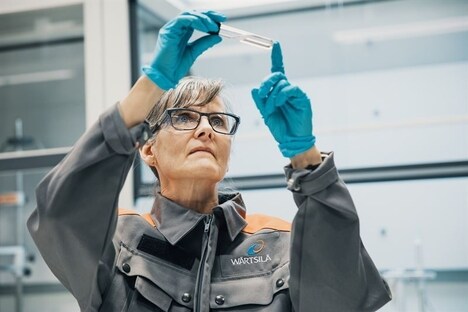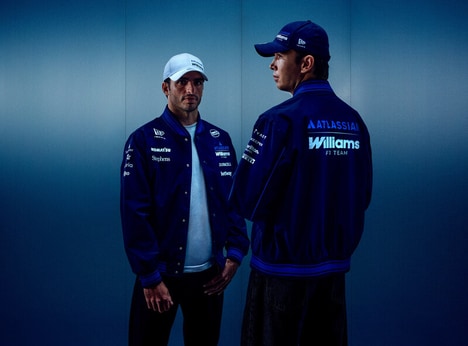
Atlassian Williams Racing and Komatsu launched the third edition of the Komatsu Williams Engineering Academy, expanding the global talent program to recruit young engineers through the Formula Student and Formula SAE competitions at Silverstone, as well as through virtual assessment centers worldwide. The Komatsu Williams Engineering Academy offers e-learning opportunities, visits to advanced manufacturing facilities and mentorship from engineers at Williams and Komatsu.
Applications for Formula Student UK finalists open on June 8, while global competitors will be able to apply virtually later in 2026. Currently, 12% of Williams employees have come through early-career development programs.
As Formula 1 teams and industrial manufacturers compete for the next generation of engineering talent, Williams and Komatsu show how combining a motorsport platform with a global industrial brand can help accelerate promising university engineers into technical careers across both sectors.
Image Credit: Atlassian Williams Racing/Komatsu
Key Themes Behind This Trend
- Motorsport-corporate Talent Pipelines
- Combining high-visibility racing programs with large industrial brands creates a talent funnel that accelerates transfer of niche, high-performance engineering skills into broader commercial applications.
- Hybrid Virtual-physical Assessment
- Remote assessment centers paired with on-site experiences enable scalable global recruitment while preserving hands-on validation of machining and systems-integration competencies.
- Cross-sector Apprenticeship Models
- Engineering curricula that blend motorsport mentorship with manufacturing exposure foster multidisciplinary engineers who bridge rapid-prototyping culture and industrial robustness.
Where This Applies
- Automotive Engineering
- Racing-derived rapid-prototyping and telemetry analytics present opportunities to shorten development cycles for production vehicles and advanced driver-assistance systems.
- Advanced Manufacturing
- Precision processes and quality-control protocols from motorsport environments can be adapted to increase efficiency and reliability in heavy-equipment and component production.
- Educational Technology
- E-learning plus virtual assessment platforms offer a pathway to deliver immersive simulation training and standardized competency verification to geographically distributed engineering talent.