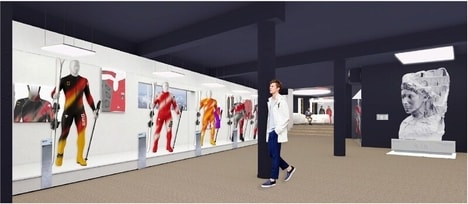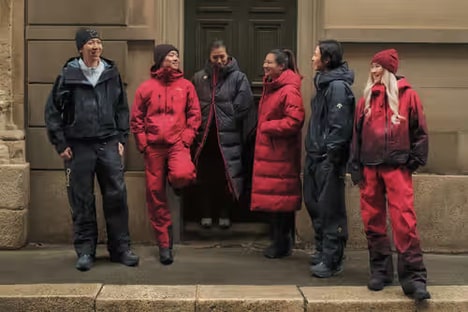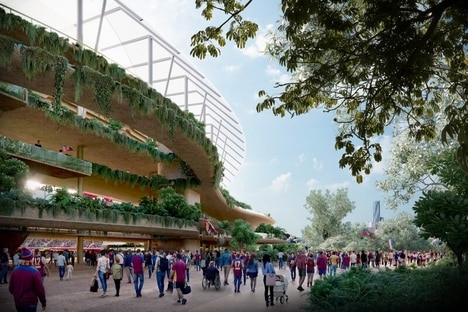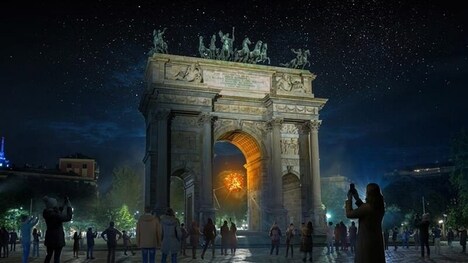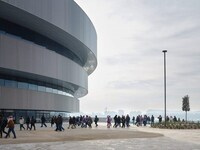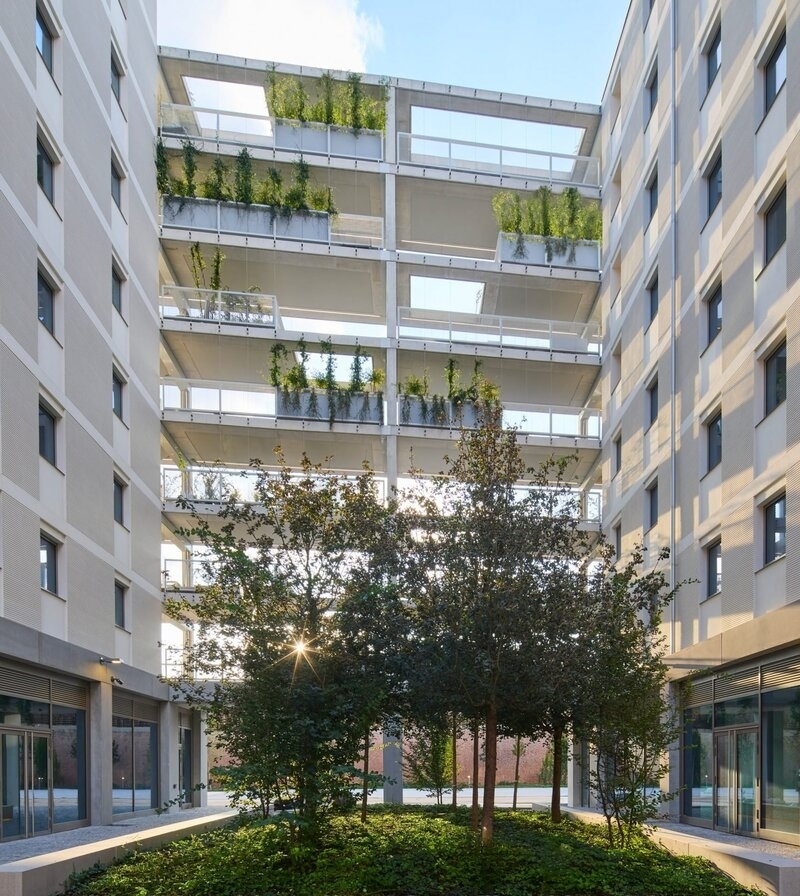
The Milan athletes’ village, designed by the team at SOM, launches into life with both presence and purpose. The Porta Romana site hosts six new residential towers and two refurbished industrial buildings, knitting together past and future through material dialogue. At game time, the complex will shelter athletes; afterward, its layout transforms into student housing, community amenities, and public landscape. The design aims for permanence from day one.
Ground-level activation shapes pedestrian life: retail, cafes, and circulation paths fold into public realms. Terraces link volumes as shared terraces; courtyards introduce gardens that anchor daily life across seasons. Prefabricated panels, modular structure, and carbon-conscious methods reduce the project’s environmental footprint without sacrificing architectural character. The village reinforces connectivity to Milan’s broader urban fabric and sets a new standard for infrastructural legacy in Olympic architecture.
Image Credit: COIMA
What's Driving This Trend
- Sustainable Urban Transformation
- Urban designs that convert temporary Olympic structures into permanent community assets herald a new era of sustainability.
- Adaptive Reuse Architecture
- Repurposing infrastructure for multipurpose use showcases innovative approaches to environmental and economic challenges.
- Prefabricated Construction
- Using prefabricated panels and modular designs underscores the potential for efficient and eco-friendly construction methods.
Who This Affects Most
- Green Building Industry
- Innovation in carbon-conscious construction practices is driving growth within the sustainable development sector.
- Real Estate Development
- Shifts toward multi-functional living spaces reflect a transformative trend in urban real estate dynamics.
- Student Housing Industry
- The integration of student accommodations into legacy projects represents a strategic expansion for this market.