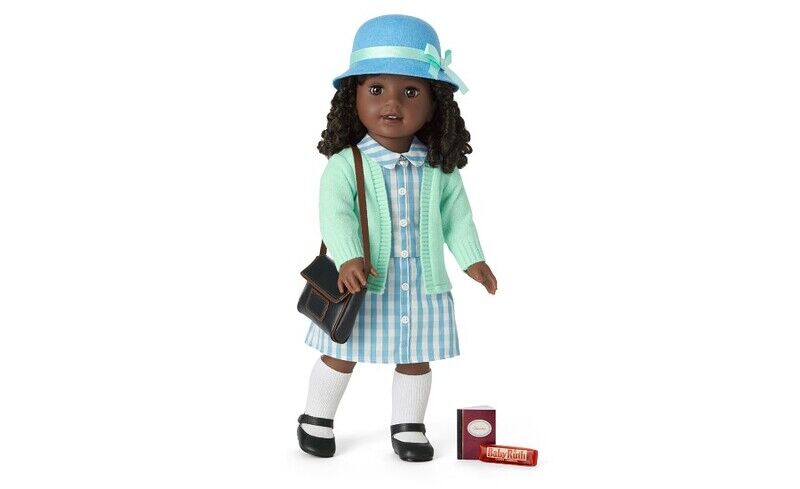
American Girl Claudie Wells is a new 18-inch historical character that tells the story of a girl who grew up in New York City’s Harlem neighborhood in 1922. This time period went on to become a period of cultural growth known as the Harlem Renaissance and the doll comes with era-authentic accessories like a Baby Ruth candy bar.
The doll boasts a new face mold, dark features, bouncy, shoulder-length hair, a plaid dress and coordinating cardigan, as well as other accessories like a heart-shaped necklace, journal and cloche hat. Inspired by the vibrant style and artistic expressions from the 1920s, the American Girl team created three special-edition outfits with Harlem’s Fashion Row to offer a modern take on 20s glamor.
Key Themes Behind This Trend
- 1920s-themed Dolls
- The doll market can produce dolls that revolve around historic periods like the Harlem Renaissance or other notable cultural growths of the 1920s.
- Collaborative Fashion Collections
- Partnering with different fashion institutions allows dolls to portray modern takes on past fashion trends, creating a new outlet for collaborative fashion ventures.
- Experiential Toys
- Creating toys with era-authentic accessories can offer an experiential learning opportunity for children to learn about different periods in history through play, with brands catering to different times and places.
Where This Applies
- Toy Manufacturing
- Toy manufacturers can capitalize on producing dolls from different time periods in history to offer educational and interactive play experiences to children.
- Fashion Design
- Fashion designers can expand their brand offerings by partnering with toy manufacturers to co-design outfits and accessories for new doll characters.
- Museum Gift Shops
- Museum gift shops can stock dolls or other toys to complement current exhibits and offer an educational shopping opportunity for patrons.