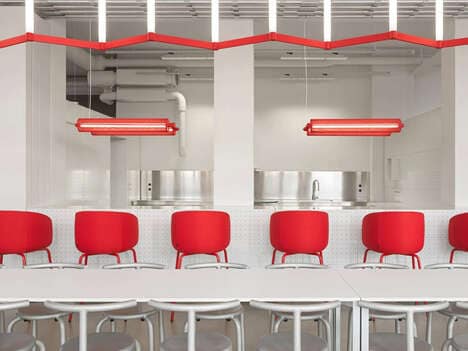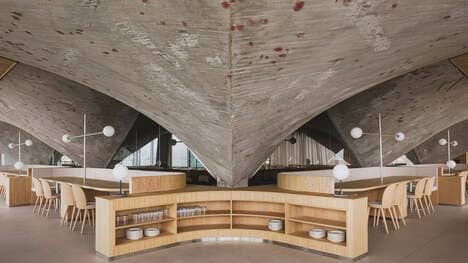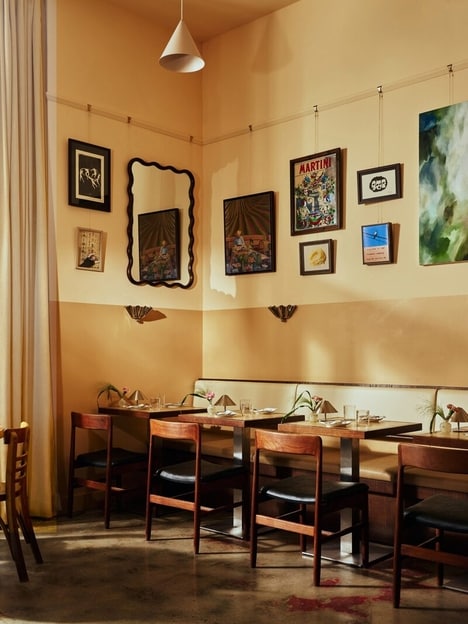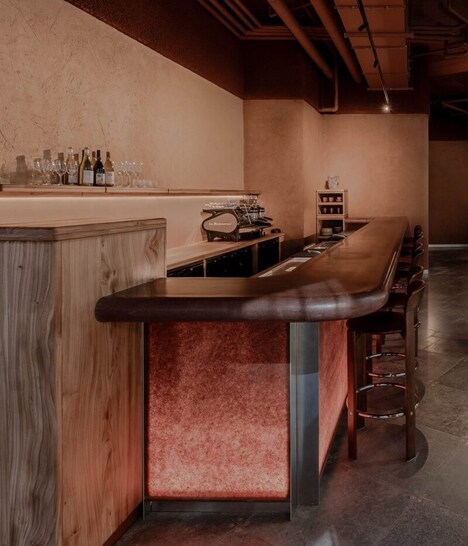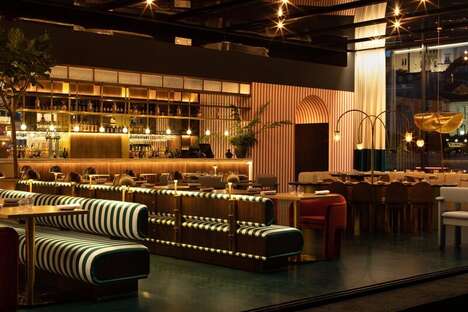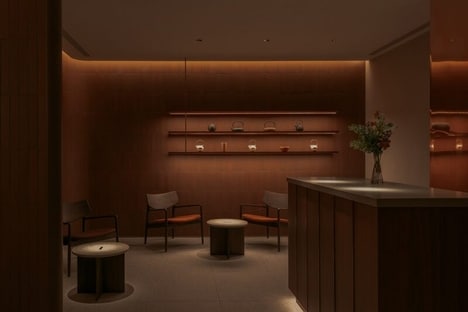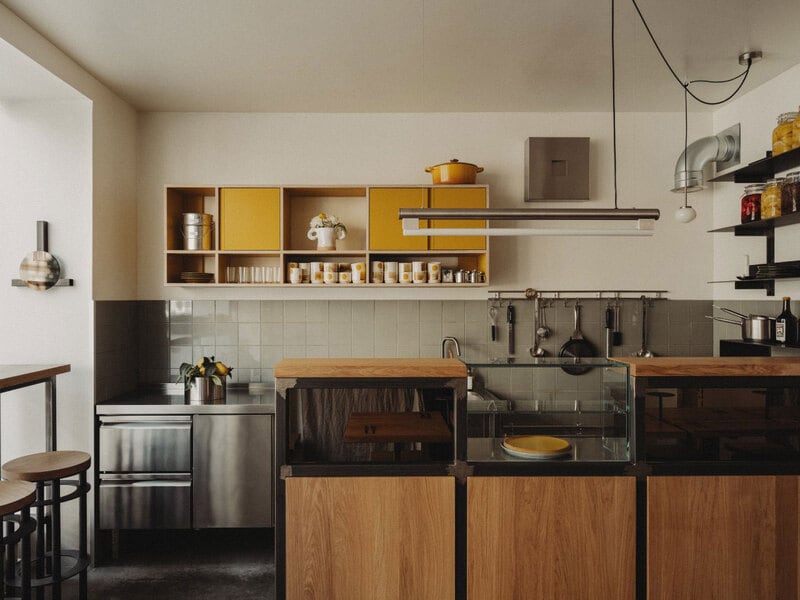
Chef Mateusz Sarnowski opens his AMATOR restaurant with the embodiment of endearment and warmth. 'Amator' refers to a friend or lover, and he wanted this to be a description of the people who dined there. To create the space, he tapped his friend and another Polish native, Adam Wiercinski, founder of the wiercinski-studio to design the space.
Wierciński optimized the entire compact space by transforming it into three sections: a cafe, a restaurant, and a venue that would host private events. In the daytime, the kitchen would serve up breakfast and lunch. In the evenings, it is turned into a warm space where private candlelit dinners are served up. The dishes are based on seasonal vegetables and the chef's favorite: an omelet.
Image Credit: wiercinski-studio
Why This Trend Is Growing
- Home Dining Spaces
- Restaurants designed with homely atmospheres like AMATOR are changing the dining landscape by offering comfort and intimacy typically reserved for private homes.
- Multipurpose Dining Areas
- Flexible restaurant spaces that serve multiple functions such as cafes, dining spots, and event venues are redefining how establishments maximize their utility and attract varied clientele.
- Seasonal Ingredient Menus
- Menus focusing on seasonal and favorite ingredients, such as the AMATOR's omelet with seasonal vegetables, are driving a trend towards personalized and sustainable dining experiences.
Industries Being Reshaped
- Hospitality Design
- The emerging preference for home-like dining environments provides opportunities for hospitality designers to innovate in creating spaces that blend warmth with style.
- Restaurant Management
- Multipurpose dining setups offer restaurant managers new ways to optimize their operations and increase revenue streams by catering to diverse customer needs throughout the day.
- Culinary Arts
- Chefs are increasingly exploring the use of seasonal and favorite ingredients, paving the way for culinary arts to focus on sustainability and personalization in meal preparation.