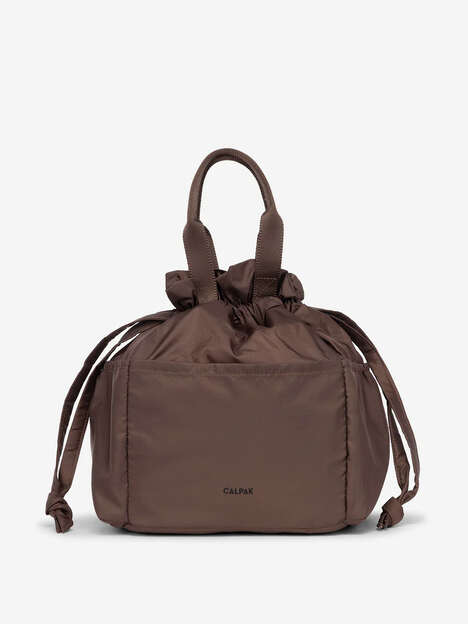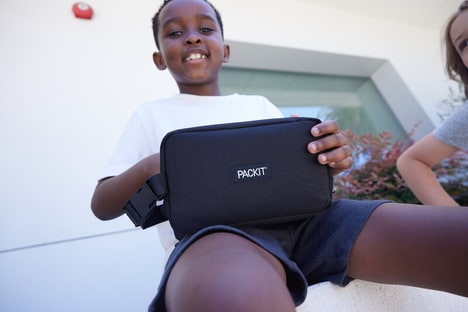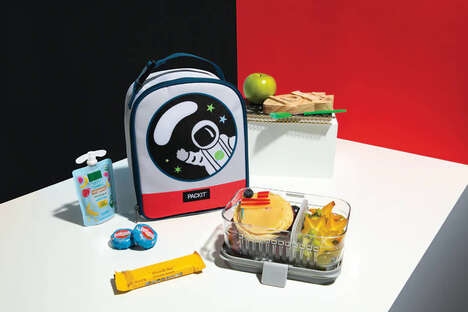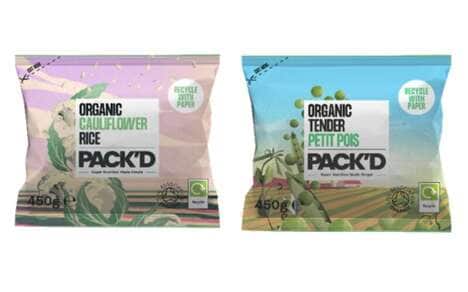
One of the areas of the home that's responsible for creating the most amount of waste is the kitchen, yet many environmentally minded consumers are making simple swaps by investing in package-free foods, reusable water bottles, stainless steel drinking straws and alternatives to plastic bags and containers. ZipBag is a plastic-free alternative to lunch bags and storage containers that offers features for temperature control and leftover tracking. The space-saving bags boast patent-pending designs that can be used to store everything from lunches to leftovers, all the while helping to reduce waste and promote better organization.
ZipBag sets itself apart with an included hot or cold pack, as well as an external storage pouch that can be used to store utensils, napkins or other items separately from the main compartment.
Image Credit: ZipBag
What's Driving This Trend
- Eco-friendly Food Storage
- Opportunities for disruptive innovation in creating reusable and biodegradable food containers that keep food fresh for longer.
- Temperature-controlled Packaging
- Opportunities for disruptive innovation in developing new packaging technologies that can keep food at optimal temperatures for longer periods of time.
- Smart Food Storage Solutions
- Opportunities for disruptive innovation in creating food storage containers that can track expiration dates and suggest recipes to reduce food waste.
Who This Affects Most
- Consumer Goods
- Manufacturers can create new product lines focused on creating sustainable and reusable food storage solutions.
- Packaging
- Companies can invest in developing new materials and technologies to create more eco-friendly and temperature-controlled food packaging solutions.
- Kitchen Appliances
- Appliance makers can explore opportunities for developing smart refrigerators and food storage systems that can help reduce food waste and improve organization.