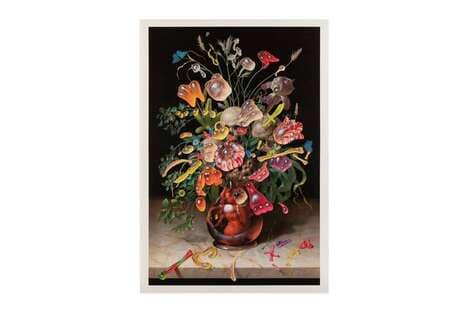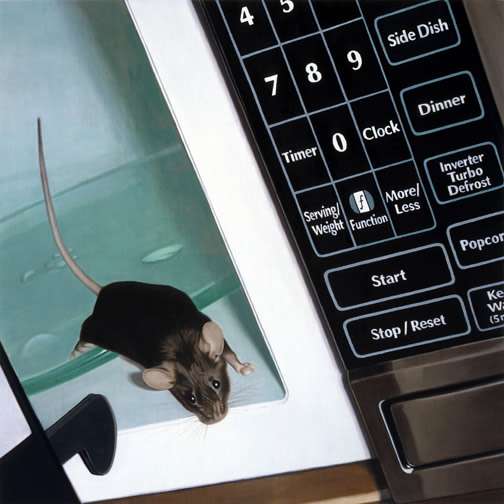
Adam Stennett's paintings are so realistic, they could definitely pass as photographs. Although Adam Stennett has an endless collection of oil paintings, the artwork in the gallery above shows just a portion of his assortment of rat art.
Known for painting people, Adam Stennett has explored the world of rodents by painting these much-hated rats and mice. See how Adam captures these pesky pests in the gallery above.
Implications - In a marketplace over saturated by computer-generated graphics, consumers are looking to images which appear more genuine in their depictions. Corporations who utilize hyper-realism in their marketing campaigns will likely garner much attention from the general public while projecting an image of authenticity to their customers.
What Makes This Trend Stand Out
- Hyper-realism
- The use of hyper-realism in advertising and marketing campaigns is an opportunity for corporations to capture attention and project an image of authenticity.
- Realistic Art
- The popularity of hyper-realistic art presents an opportunity for artists to explore new subject matter, such as rodents, and challenge viewers' perceptions of reality.
- Image Authenticity
- Consumer demand for genuine depictions of subject matter creates an opportunity for artists and corporations to use hyper-realism to build credibility and trust with their audiences.
Sectors Adopting This
- Advertising
- Advertising agencies can utilize hyper-realism in their campaigns to create attention-grabbing and authentic visuals that appeal to consumers.
- Fine Art
- The hyper-realistic art trend provides an opportunity for fine artists to push the boundaries of traditional subject matter and challenge viewers' perceptions of reality.
- Marketing
- Marketing professionals can use hyper-realistic visuals to build trust and credibility with their audiences by presenting genuine depictions of their products or services.