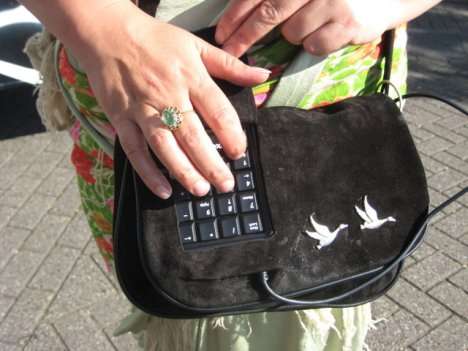


Traveling to the Middle East is not on the top of my list of things to do these days, but a trip taken two years ago by a Munich fashion company resulted in the 'A Kind of Guise' Kilim Project.
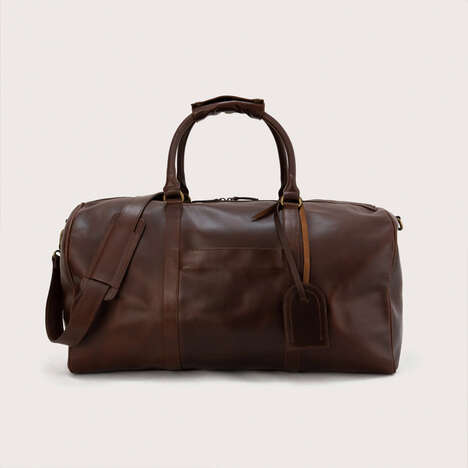
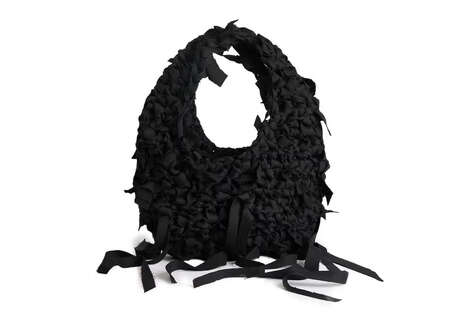
The A Kind of Guise Kilim Project is a launch of a collection of carry bags by the Munich-based brand. After venturing into the Middle East, the designers purchased a plethora of used, hand-knitted carpets from nearly every country surrounding the Persian Gulf. Some of the hand-knitted rugs date back to the 19th century. Over the years, the company has collected over 50 carpets to make a limited release of 100 bags.
With intricate designs combined with quality leather, each bags is handmade with the same quality and craftsmanship as the ancient rugs.
What Makes This Trend Stand Out
- Sustainable Fashion
- The use of antique carpets for carry bags showcases a growing trend in sustainable fashion, where designers are repurposing pre-existing materials.
- Heritage Revival
- The incorporation of 19th-century Persian rugs in modern carry bag designs highlights a trend in heritage revival, where traditional craftsmanship is reintroduced in contemporary products.
- Cultural Appreciation
- The 'A Kind of Guise' Kilim Project reflects a trend in cultural appreciation, as designers draw inspiration from Middle Eastern artistry and incorporate it into their products.
Sectors Adopting This
- Fashion
- The fashion industry can explore disruptive innovation opportunities by incorporating sustainable practices and repurposing antique materials in their designs.
- Home Decor
- The home decor industry can capitalize on the heritage revival trend by integrating traditional craftsmanship and cultural elements into their products.
- Artisanal Crafts
- The artisanal crafts industry can embrace disruptive innovation by collaborating with fashion brands, providing them with unique and culturally rich materials for their designs.