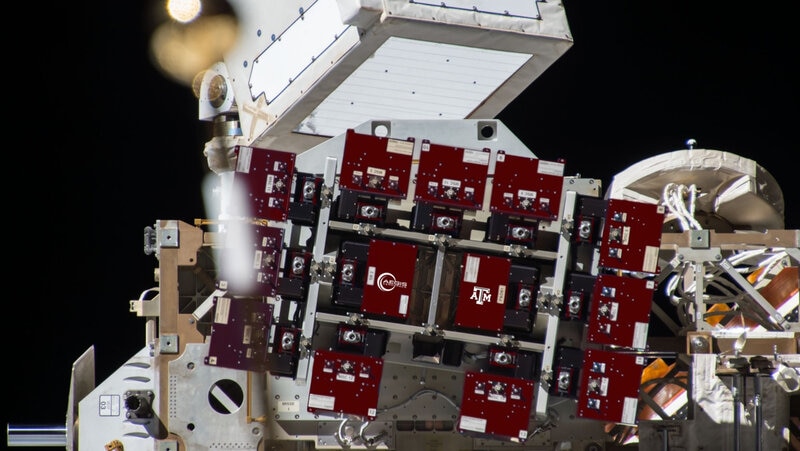
Texas A&M University launched a six-month TAMU-SPIRIT experiment sending hundreds of Texas grape seeds to the International Space Station to study how cosmic radiation affects their genetics and viability. The mission uses a custom protective carrier designed to expose the seeds to radiation without rendering them non-viable.
After returning to Earth, the seeds will be planted alongside identical control seeds at Texas A&M’s AgriLife Research vineyard to compare growth, grape production and genetic expression. The study includes three grape varieties, including the historic Lomanto cultivar, and brings together researchers from AgriLife Research, the College of Agriculture and Life Sciences, and engineering students who helped develop the payload.
For growers, the project could reveal radiation-induced mutations that improve disease resistance or climate adaptability, supporting future grape-breeding efforts. If the seeds remain viable, the experiment could also eventually produce a novelty wine made from grapes grown from seeds that travelled through space.
Image Credit: Texas A&M University
Key Themes Behind This Trend
- Space-agriculture Breeding
- Orbital exposure experiments are expanding crop-development pathways by revealing genetic variations that may support hardier plants for changing climates.
- Radiation-induced Crop Traits
- Controlled cosmic radiation studies are creating new possibilities for identifying mutations linked to disease resistance, yield performance, and environmental adaptability.
- Novelty Space-origin Foods
- Consumer fascination with space travel is giving food and beverage brands a premium storytelling platform around ingredients with extraterrestrial provenance.
Where This Applies
- Viticulture
- Grape growers may benefit from space-tested varietals that introduce resilience traits suited to drought, heat, pests, and emerging vineyard diseases.
- Agricultural Biotechnology
- Genetic analysis of radiation-exposed seeds is strengthening discovery pipelines for crop traits that conventional breeding may uncover more slowly.
- Wine and Spirits
- Space-travelled grape lineages could support limited-edition wines and experiential products that blend scientific provenance with luxury positioning.