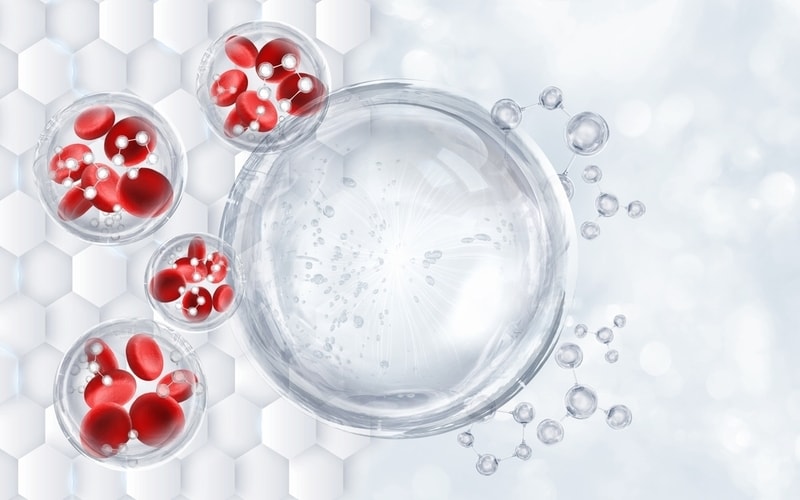
HexemBio launched a seed-funded biotech program to rejuvenate blood stem cells using a platform called the 'Synthetic Human Yolk Sac,' designed to temporarily recreate the embryonic niche where haematopoietic stem cells first form. The Berkeley and New York startup raised $10.4M in April 2026 led by Draper Associates and is backed by founders and advisors from MIT, UC Berkeley and industry veterans including Robert Langer.
The platform places a patient’s own blood stem cells into a recreated developmental microenvironment, then returns them via standard IV infusion. Foundational work appeared in Nature in 2024; HexemBio’s lead programme targets bone marrow transplant for blood cancers and has FDA Orphan Drug Designation, with Pre-IND steps completed and first-in-human trials planned for 2027.
For patients, the approach aims to restore youthful blood and immune function without genetic reprogramming, potentially improving transplant outcomes and infection resilience. The launch reflects a broader trend toward synthetic developmental biology that mimics early-life niches to repair age-related decline.
Image Credit: studio thongden / Shutterstock
Key Themes Behind This Trend
- Synthetic Developmental Niches
- Recreating embryonic microenvironments ex vivo opens possibilities for therapies that restore tissue function by recapitulating early-life cues rather than relying on permanent genetic modification.
- Autologous Ex Vivo Rejuvenation
- Patient-derived cells treated outside the body and re-infused present potential for personalized rejuvenation that reduces immune rejection and leverages existing clinical infusion pathways.
- Non-genetic Age-resilient Therapies
- Approaches that reverse cellular aging through environmental modulation instead of gene editing could enable safer, broadly applicable interventions for age-related decline.
Where This Applies
- Regenerative Medicine
- The field stands to be transformed by platforms that emulate developmental niches to renew stem cell function and improve long-term tissue repair outcomes.
- Hematology and Transplantation
- Bone marrow transplant practice could see shifts in conditioning and graft success rates driven by rejuvenated autologous grafts that enhance engraftment and immune competency.
- Biomanufacturing of Microenvironments
- Scalable production of synthetic niche scaffolds and controlled culture systems may create new supply chains for off-the-shelf or on-demand cellular rejuvenation products.