Sony repurposed its Thalgau, Salzburg factory to produce optical microlenses, investing €30 million to convert the former disc manufacturing plant. The transition follows the company's announcement that PlayStation will move to an all-digital distribution model beginning in January 2028, with disc production at the site expected to decline significantly.
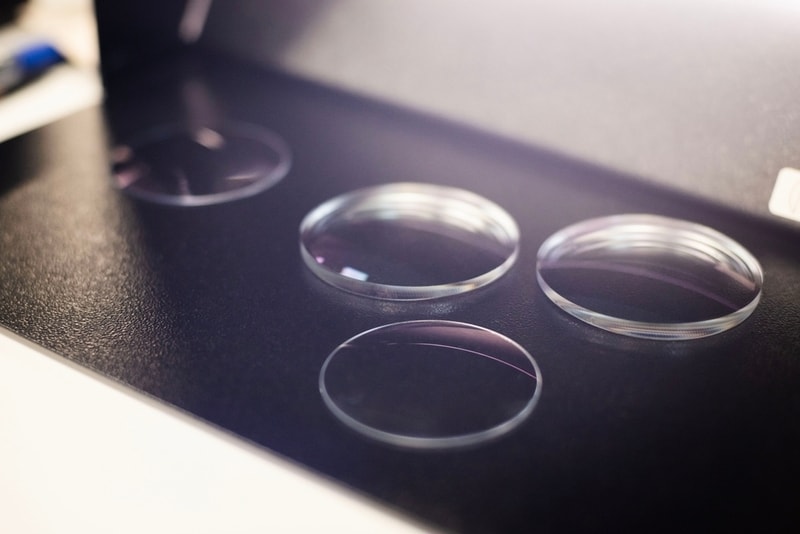
The new optical microlenses are designed for applications including camera sensors, AR/VR headsets, fiber optic networks and medical devices. Sony DADC plans to retrain its approximately 300 employees for the new manufacturing process, with microlens production scheduled to begin next year as the company shifts away from large-scale disc production.
The facility's transformation reflects the growing shift from physical media manufacturing toward advanced optical components that support emerging imaging, connectivity and immersive technologies, while allowing Sony to repurpose existing production capacity for expanding technology markets.
Image Credit: Shutterstock/tamRudenko
Key Themes Behind This Trend
- Factory Repurposing
- Legacy manufacturing sites are becoming flexible assets for advanced component production as declining media formats give way to higher-growth technology markets.
- Microlens Manufacturing
- Precision optical components are gaining strategic importance as cameras, sensors, immersive devices, and medical systems require smaller and more capable imaging hardware.
- Digital Media Transition
- The shift away from physical discs is accelerating industrial reinvention by freeing production capacity for components tied to connected and immersive ecosystems.
Where This Applies
- Optical Components
- Demand for microlenses creates opportunities around compact imaging, sensing, and light-management technologies across consumer and industrial applications.
- Augmented Reality
- AR and VR hardware markets benefit from advances in micro-optics that can improve display quality, device size, and user experience.
- Medical Devices
- Miniaturized lens production supports next-generation diagnostic and imaging tools where precision optics enable less invasive and more portable healthcare solutions.