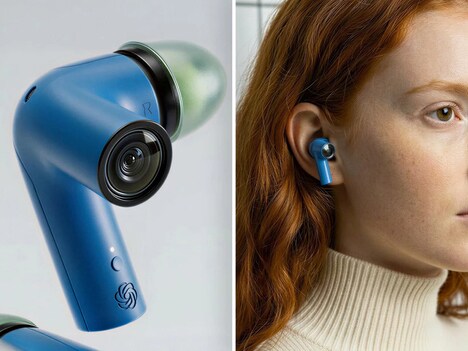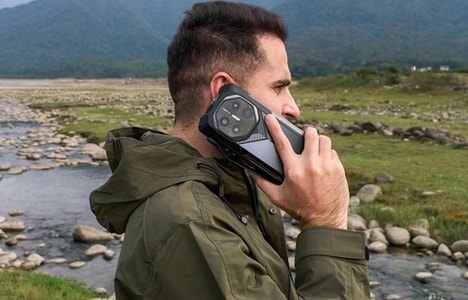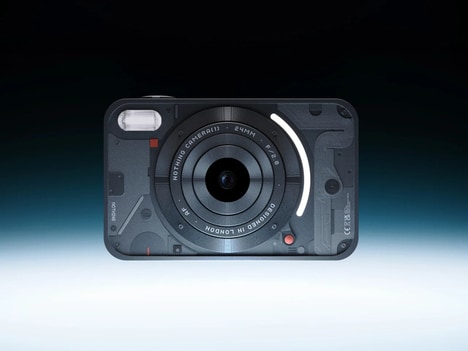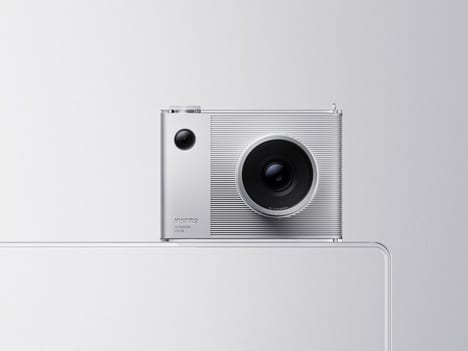
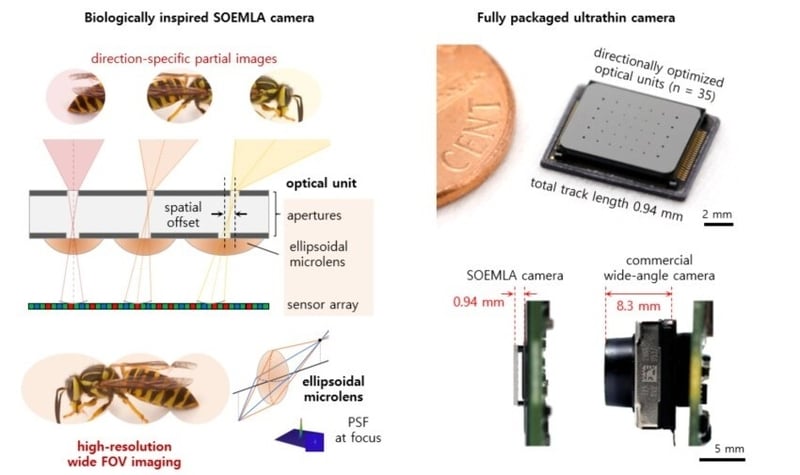
The ultra-thin camera tech developed by KAIST introduces a new approach to imaging by eliminating the need for protruding lenses. Measuring under 1 mm thick, the device uses a biomimetic structure inspired by insect vision, where multiple micro-lenses capture partial images that are digitally combined into a single, high-quality output. This allows the camera to achieve a wide 140-degree field of view while maintaining clarity across the entire frame, even at close distances.
This advancement has strong implications for industries where space is limited. Smartphone manufacturers could adopt this system to create completely flush camera designs, improving durability and aesthetics. In healthcare, the compact form factor enables more precise imaging in minimally invasive tools like endoscopes. Additionally, robotics and wearable tech brands can integrate high-performance vision into smaller devices, supporting the development of more compact, efficient, and versatile products.
Image Credit: KAIST
Why This Trend Is Growing
- Lensless Imaging
- A shift toward lensless imaging that compresses camera modules into sub-millimeter profiles, redefining device form factors and durability expectations.
- Biomimetic Vision Systems
- Inspired by compound-eye architectures, multi-aperture micro-lens arrays that digitally stitch partial views promise high field-of-view imaging in ultra-compact footprints.
- Flush-integrated Optics
- The move to fully flush, protrusion-free camera assemblies that maintain wide-angle clarity creates new possibilities for seamless industrial and consumer product design.
Industries Being Reshaped
- Smartphone Manufacturing
- Ultra-thin camera modules that eliminate bumps and improve durability could transform handset industrial design and competitive differentiation through aesthetics and reliability.
- Medical Devices
- Miniaturized wide-FOV imaging suitable for endoscopes and minimally invasive tools enables finer navigation and richer diagnostics in constrained anatomical spaces.
- Robotics and Wearables
- Compact high-performance vision systems that preserve clarity across wide angles facilitate smaller, more agile robots and inconspicuous wearable sensors for continuous environmental perception.