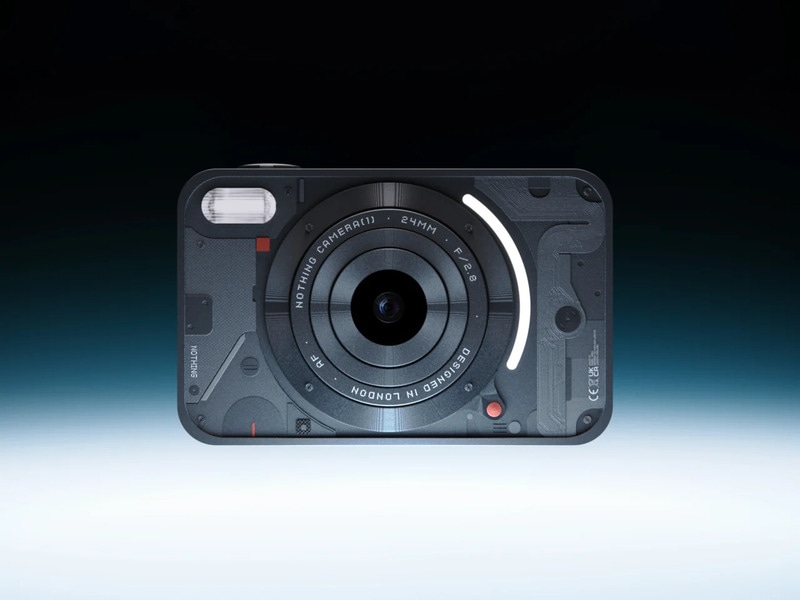
Camera (1) imagines a tactile digicam for a screen-tired generation with a design that foregrounds physical interaction and ergonomic control over reliance on a digital display. Conceived by designer Charlie Davies, Camera 1 rethinks the point-and-shoot format by placing emphasis on the experience of handling, composing, and capturing images through tactile switches, dials, and viewfinder-based framing rather than a large rear screen. The concept positions the camera as an object that encourages presence and sensory engagement during photography rather than constant digital review.
The body of Camera (1) uses a compact rectangular form with rounded edges and textured grip surfaces to support comfortable handling. Dedicated mechanical controls for aperture, shutter speed, and focus are placed within thumb reach, and a minimalist optical viewfinder provides a direct line to the subject while reducing dependency on electronic displays. The design allows for removable storage modules and a simple power interface, with the intent of keeping the photographer's attention on framing and composition.
Image Credit: Rishikesh Puthukudy
Why This Trend Is Growing
- Tactile User Interfaces
- Designing user interfaces that prioritize tactile controls over digital screens presents an opportunity for more engaging and ergonomic user experiences.
- Ergonomic Gadget Design
- Creating devices with ergonomic and sensory-friendly designs can enhance user satisfaction and differentiate products in a screen-dominated marketplace.
- Screen-free Technology
- Innovations focusing on minimizing screen dependency can appeal to consumers seeking more authentic and less digitally fragmented interaction experiences.
Industries Being Reshaped
- Photography
- The photography industry can explore new market segments by offering products that emphasize physical interaction over digital convenience.
- Consumer Electronics
- Consumer electronics can benefit from a shift towards designs that prioritize sensory engagement and user comfort.
- Product Design
- Incorporating tactile and ergonomic elements in product design can lead to the development of innovative goods that cater to user fatigue with current digital devices.