Fujiyama Power Systems introduced a 1-GW solar cell manufacturing facility at Dadri, Uttar Pradesh, bringing cell production in-house and supporting the company's integrated module operations. The move was announced alongside third-quarter results, which showed net profit more than doubled to ₹67.3 crore in the December 2025 quarter, with revenue rising to ₹588.5 crore.
The Dadri plant was commissioned with about ₹300 crore of investment and aligned with Fujiyama’s existing 1.6 GW of panel capacity, including 1.2 GW at Dadri, so the new cell output will be used for captive consumption. The company said the expansion deepens backward integration, aims to cut import reliance and gives greater control over input costs, while it continues to expand capacity, strengthen distribution and pursue a 2-GW SPGS expansion at Ratlam.
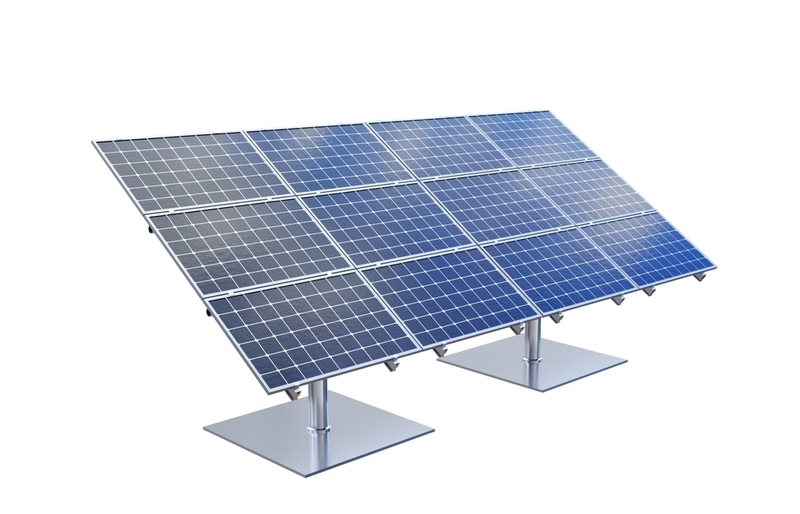
Image Credit: e-crow / Shutterstock
What Makes This Trend Stand Out
- Vertical Integration in Solar Manufacturing
- The consolidation of cell and module production under one company creates opportunities for reimagined production workflows and cost structures that disrupt traditional OEM-supplier relationships.
- Localized Supply Chain Resilience
- Regionalizing critical component production reduces import dependencies and enables new models of distributed manufacturing and inventory strategies that challenge globalized sourcing norms.
- Captive Consumption Strategies
- Using in-house cell output to feed existing module lines fosters integrated demand-supply loops that can redefine pricing power and margins across the value chain.
Sectors Adopting This
- Solar Photovoltaic Manufacturing
- Domestic cell-to-module operations introduce possibilities for modular, scalable factories and novel equipment-as-a-service offerings that transform capital intensity in the industry.
- Renewable Energy Project Developers
- Developers stand to benefit from closer ties to vertically integrated producers, creating prospects for bundled project procurement and financing models that shift project cost dynamics.
- Energy Equipment Supply Chain
- Component suppliers and logistics providers may be reshaped by onshore manufacturing growth, giving rise to localized aftermarket ecosystems and new fulfilment platforms.