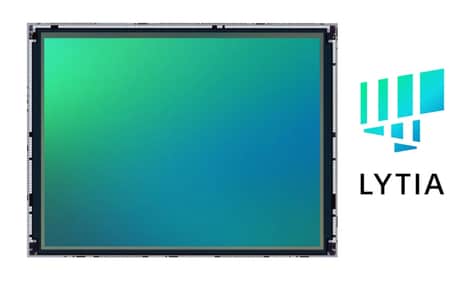

AI sensor manufacturing partnerships are reshaping how semiconductor companies prepare for the next generation of robotics, automotive systems, and machine-based perception technologies. Sony and TSMC’s planned joint venture reflects growing demand for advanced image sensors capable of supporting physical AI applications that rely on visual recognition and environmental awareness. By combining Sony’s sensor design expertise with TSMC’s semiconductor manufacturing capabilities, the partnership aims to accelerate the development of high-performance sensing systems for emerging intelligent devices.
For businesses, the collaboration highlights increasing competition to secure semiconductor supply chains and strengthen regional manufacturing capacity. Governments are also becoming more involved in supporting strategic chip production as AI hardware demand expands globally. The partnership could help accelerate commercial growth in sectors such as autonomous vehicles, industrial automation, robotics, and smart infrastructure, where advanced sensing components are becoming critical to machine functionality. It also reinforces the importance of long-term manufacturing alliances in maintaining technological leadership within the global semiconductor industry.
Image Credit: Sony/TSMC
Key Themes Behind This Trend
- Localized Sensor Fabrication
- Rising regional joint ventures in sensor production create the potential to decentralize supply chains and shorten lead times for AI hardware.
- Physical-AI Optimized Image Sensors
- Advanced sensors tailored for on-device perception are enabling richer environmental awareness and lower-latency inference in edge robotics and autonomous systems.
- Manufacturing Alliances for Supply Resilience
- Long-term partnerships between design leaders and foundries are increasing manufacturing capacity redundancy and reducing geopolitical risk exposure for critical semiconductor components.
Where This Applies
- Autonomous Vehicles
- Improved high-performance imaging chips are set to elevate perception reliability and sensor fusion capabilities for driverless navigation systems.
- Industrial Automation and Robotics
- Smarter, lower-latency vision sensors are positioned to expand precise machine perception in real-time assembly, inspection, and collaborative robots.
- Smart Infrastructure and Cities
- Wider availability of advanced image sensors could enable more granular, privacy-aware urban monitoring and adaptive infrastructure management.