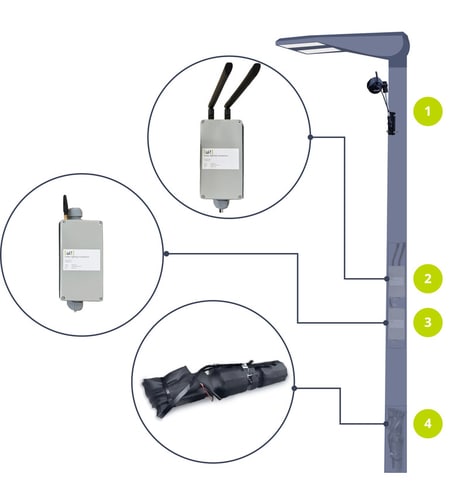
Lumos Infinitas will present several sensing devices at CES 2026, all utilizing an underlying silicon-photonics innovation. The integration of this photonic circuitry on a silicon chip creates more compact, cost-effective, and robust optical sensing systems. Lumos Infinitas highlights three products as proof — a frequency-modulated continuous wave LiDAR for municipal infrastructure, a non-contact optical sensor for measuring vascular pulse wave velocity, and a collaborative long-distance rangefinder.
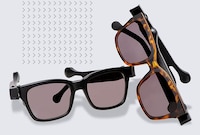
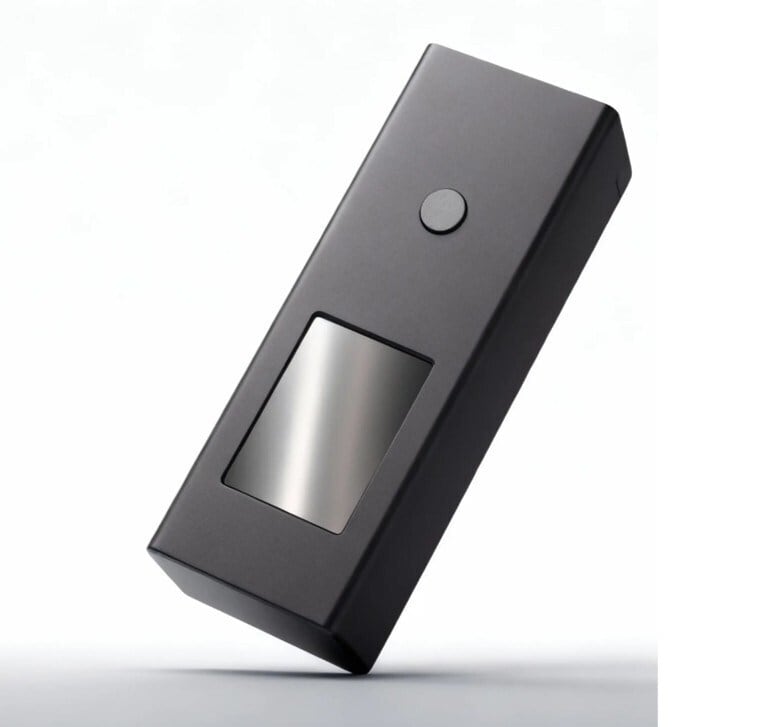
The first innovation is titled CITEYE™ LiDAR for Smart City Applications. It can deliver continuous operation to benefit traffic monitoring and urban mobility analytics. The second gadget is called Kimo Bloodspeed Pro™, and it is designed to support PWV measurement workflows. Finally, the High-Precision Range Finder, developed with Shanghai Beeplux Semiconductor, promises stable performance.
Image Credit: Lumos Infinitas
What's Driving This Trend
- Silicon-photonics Integration
- Integrating silicon-photonics in sensors creates opportunities for more efficient and cost-effective optical devices.
- Advanced Sensing Devices
- The development of sophisticated sensing devices such as frequency-modulated LiDAR systems marks a shift towards smarter municipal infrastructure solutions.
- Non-contact Health Monitoring
- Breakthroughs in non-contact optical sensors enable innovative methods for monitoring health metrics like vascular pulse wave velocity.
Who This Affects Most
- Smart City Technologies
- Smart city tech evolves with innovations like CITEYE™ LiDAR, enhancing urban analytics and traffic monitoring capabilities.
- Healthcare Sensor Systems
- In healthcare, non-invasive sensor technologies offer new pathways for monitoring critical health parameters like pulse wave velocity.
- Semiconductor Manufacturing
- Collaborative efforts in semiconductor manufacturing push forward innovations in long-distance rangefinding and other precision sensor applications.