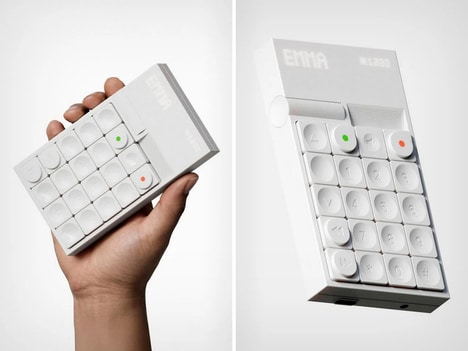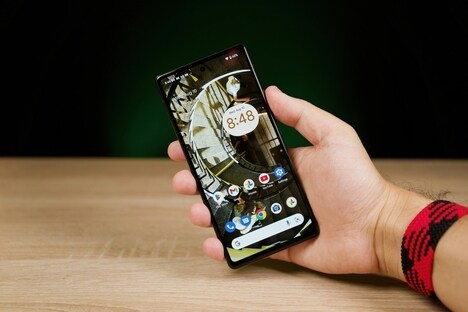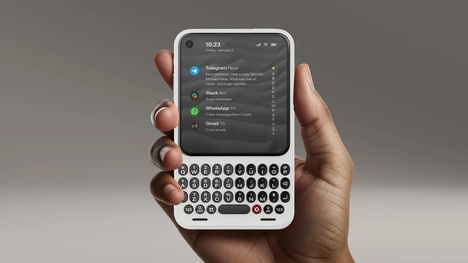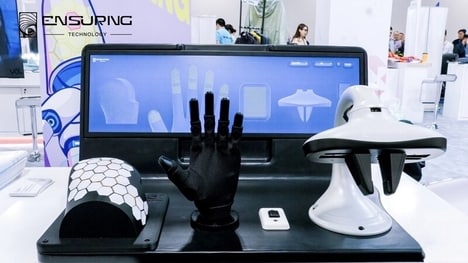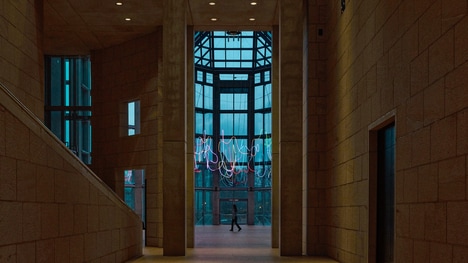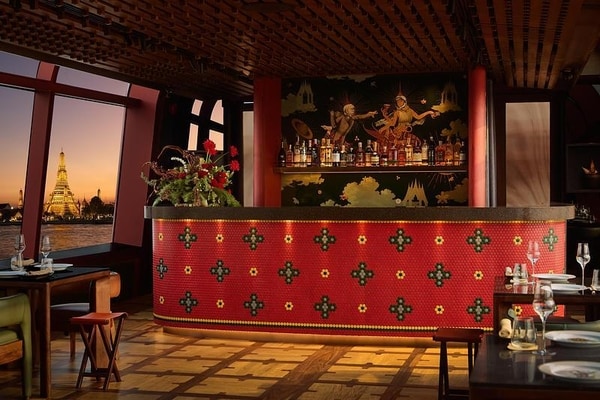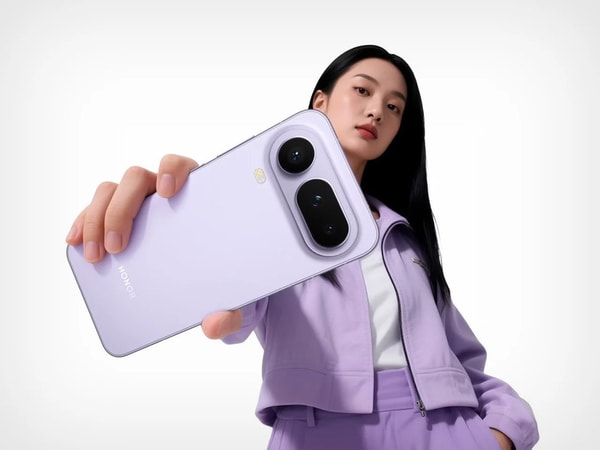

Ritual-based mobile design is influencing how future consumer technology is being conceptualized through more human-centered experiences. Google’s Industrial Design team partnered with ECAL/University of Art and Design Lausanne to explore mobile-focused hardware concepts inspired by everyday habits and routines. The conceptual projects developed by ECAL’s Master Product Design students examined how gestures, emotions and daily rituals shape interactions with personal devices. Rather than focusing entirely on technical performance, the collaboration emphasized storytelling, behavioral experiences and evolving relationships between people and technology.
This approach to device development could influence how technology companies design future consumer products around emotional comfort, intuitive interactions and lifestyle integration. Hardware brands may increasingly prioritize behavioral psychology and experiential design to create products that feel more personal and less intrusive. The collaboration also highlights how partnerships between educational institutions and major tech companies are becoming valuable spaces for exploring future-focused consumer technology concepts and interaction models.
Image Credit: ECAL/University of Art
What's Driving This Trend
- Ritual-based Interaction
- Devices designed around daily routines and gestures create opportunities for products that seamlessly anticipate user needs through contextual cues.
- Emotion-led Hardware
- Hardware that prioritizes emotional comfort and non-intrusive feedback enables new classes of personal technology focused on wellbeing and trust.
- Academic-industry Co-creation
- Collaborative projects between universities and tech firms accelerate speculative concepts that can redefine mainstream interaction models and product narratives.
Who This Affects Most
- Consumer Hardware
- A shift from performance-centric devices to experience-first prototypes opens potential for differentiated products that integrate into lifestyles rather than interrupt them.
- Wearables and Personal Devices
- Wearables that leverage ritual-informed interactions can evolve into unobtrusive companions attuned to emotions and habitual behaviors.
- Design Education and Research
- Design programs serving as experimental labs offer a pipeline of human-centered concepts that can disrupt conventional product development cycles.