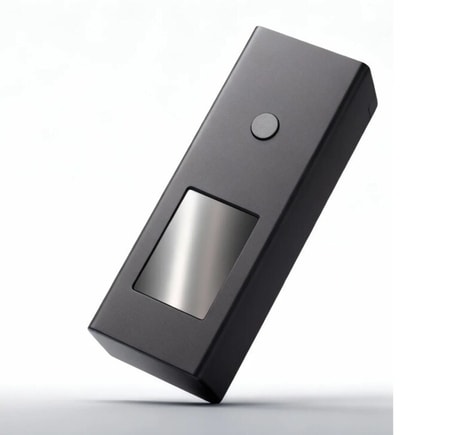
Mosaic SoC introduces a new class of perception-focused chips designed to bring real-time spatial awareness to compact, battery-powered devices. By processing visual and positional data directly on-device, these chips allow wearables and mobile hardware to interpret their surroundings without relying on power-intensive processors. This enables features like continuous environment mapping, object tracking, and contextual awareness while maintaining small form factors and efficient energy use. As a result, devices such as smart glasses can deliver advanced capabilities without compromising design or battery life.
This approach can unlock new opportunities in wearable technology and edge computing. Manufacturers can develop lighter, more efficient products while reducing hardware complexity and cost. It also supports faster adoption of spatial computing across industries, encouraging companies to build new applications around always-on awareness and real-time environmental understanding.
Image Credit: Mosaic
Key Themes Behind This Trend
- On-device Perception Chips
- Enables continuous spatial awareness in compact devices by processing visual and positional data locally with minimal energy draw.
- Always-on Spatial Computing
- Supports continuous environment mapping and object tracking in wearables without compromising battery life or form factor.
- Edge-efficient AI for Wearables
- Integrates optimized models into low-power SoCs to deliver real-time contextual awareness previously achievable only with cloud-connected systems.
Where This Applies
- Wearable Technology
- Smart glasses and AR headsets could gain persistent scene understanding and gesture recognition while retaining lightweight designs.
- Robotics and Drones
- Small autonomous robots and delivery drones can benefit from compact perception stacks for real-time navigation and obstacle avoidance on limited power budgets.
- Industrial Iot and Asset Tracking
- Battery-powered sensors and tags could perform local object tracking and environmental mapping to enable granular, low-latency operational visibility.