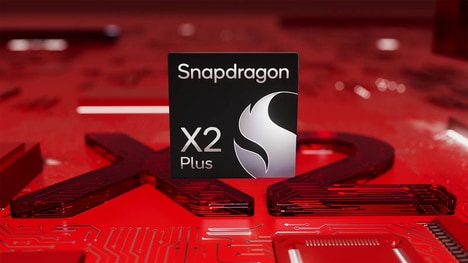
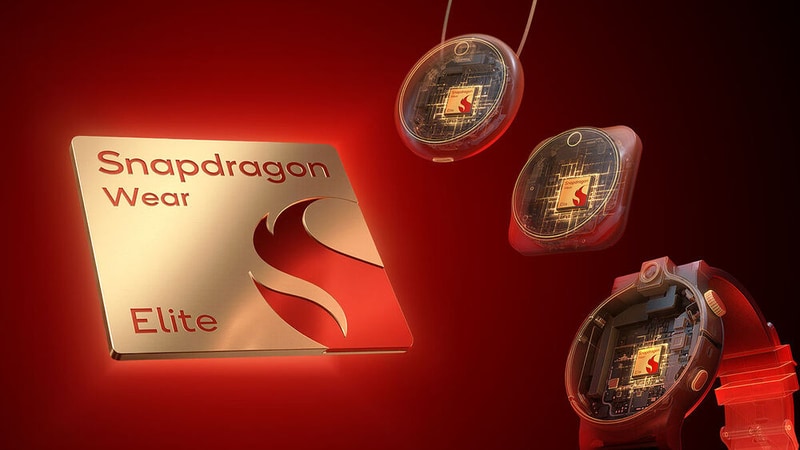
Qualcomm introduced the Snapdragon Wear Elite chip at Mobile World Congress 2026, a wearable-focused processor designed to run on-device AI with an integrated Hexagon NPU supporting billion-parameter models. The platform ships with Micro-Power Wi-Fi for persistent low-energy connectivity, featuring faster single-core CPU performance and claimed battery-life improvements.
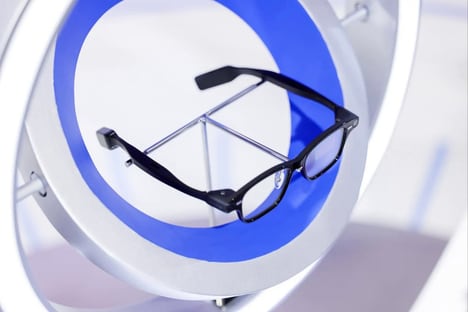
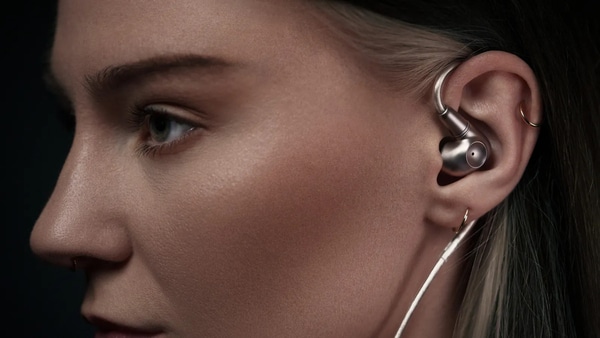
The chipset will appear in upcoming wearables from Samsung, Google and Motorola, and it was positioned as the core silicon for watches, glasses, and AI pins. Qualcomm highlighted 30% longer daily use and rapid charging to 50% in about 10 minutes, while enabling richer local inference and continuous syncing.
For consumers this means wearables that can act more independently from phones, delivering contextual recommendations, natural language interactions and passive life-logging. The chip therefore advances a shift toward distributed personal AI across multiple form factors rather than phone-centric computing.
Image Credit: Snapdragon
What Makes This Trend Stand Out
- Edge AI Miniaturization
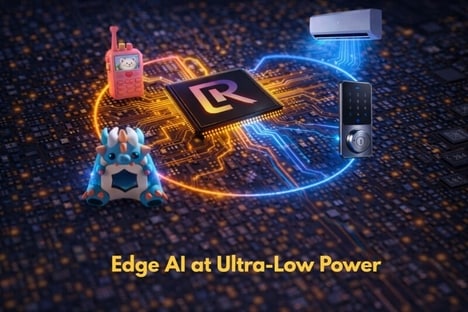
- Billion-parameter NPUs embedded in wearable chipsets enable sophisticated on-device models that bring cloud-level intelligence to pocket-sized form factors.
- Persistent Low-power Connectivity
- Micro-power Wi‑Fi and energy-optimized radios create always-connected wearables that maintain continuous syncing and contextual awareness with minimal battery impact.
- Distributed Personal AI
- A shift away from phone-centric computing toward multiple synchronized AI-capable devices enables seamless cross-device personalization and passive life-logging across watches, glasses, and pins.
Sectors Adopting This
- Wearable Consumer Electronics
- Next-generation watches and smart accessories can incorporate advanced on-device inference to deliver richer local experiences and prolonged battery life.
- Healthcare Monitoring Devices
- Continuous, low-power local analytics on wearables permits more accurate and privacy-preserving physiological monitoring and early anomaly detection.
- Augmented-reality Glasses and Accessories
- AR form factors with integrated edge AI enable real-time contextual overlays and natural-language interactions without reliance on constant cloud processing.