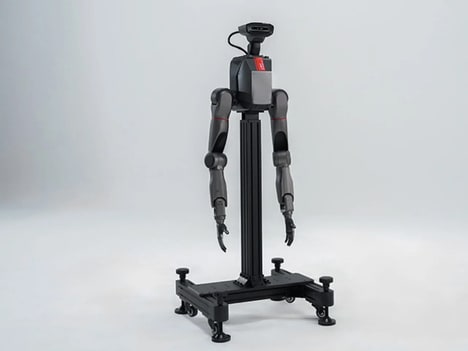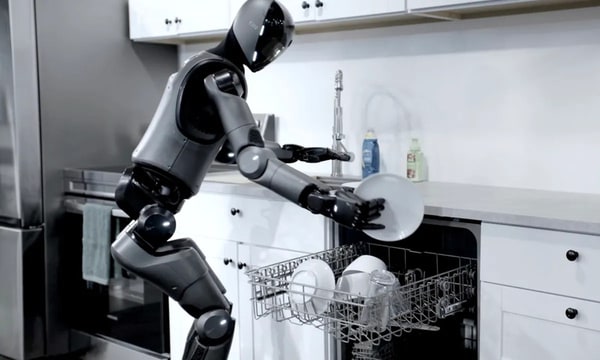
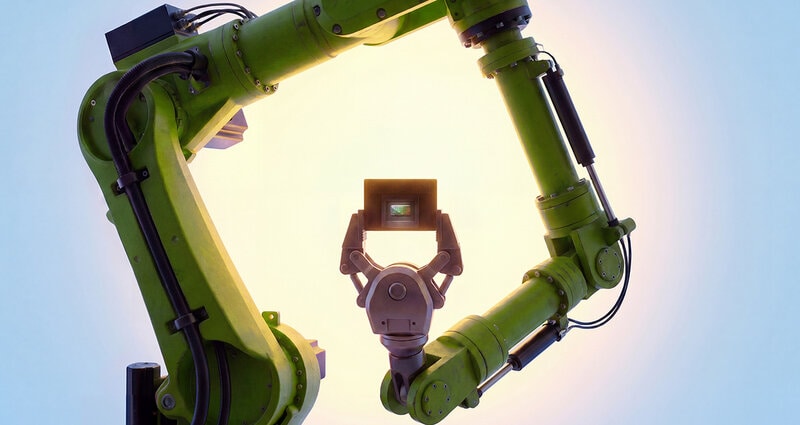
Physical AI computing is accelerating the deployment of intelligent robots by delivering compact, high-performance edge computers capable of running advanced AI models directly on devices. NVIDIA's new T3000 and T2000 modules are designed to support humanoid robots, autonomous machines, and industrial automation with powerful on-device processing, efficient power consumption, and software tools that simplify development. The platform also includes AI-powered optimization features that reduce memory requirements and speed deployment, enabling developers to build more capable systems without increasing hardware costs.
This approach reflects the growing demand for edge computing that supports real-time decision-making without relying on constant cloud connectivity. For businesses, compact AI computing platforms can lower deployment costs, improve responsiveness, and make intelligent automation more practical across manufacturing, logistics, retail, and healthcare. As physical AI adoption grows, scalable edge computing infrastructure will become a key foundation for bringing autonomous systems into everyday commercial environments.
Image Credit: NVIDIA
What Makes This Trend Stand Out
- On-device Robotics AI
- Compact processors capable of running advanced models locally create room for smarter robots that respond in real time without cloud dependence.
- Edge Automation Infrastructure
- High-performance edge computing platforms make intelligent automation more scalable across facilities where latency, reliability, and connectivity constraints shape deployment economics.
- Cost-efficient AI Optimization
- AI-powered memory reduction and deployment acceleration expand access to capable autonomous systems without requiring larger or more expensive hardware footprints.
Sectors Adopting This
- Robotics
- Humanoid robots and autonomous machines gain commercial viability as compact AI computers support faster perception, planning, and task execution at the device level.
- Manufacturing
- Factory automation benefits from localized AI processing that improves responsiveness for inspection, coordination, and adaptive production workflows.
- Logistics
- Warehouse and distribution operations become more adaptable as edge-enabled robots manage navigation, sorting, and material movement with reduced cloud reliance.