

A group of engineers and scientists working out of the University of Southampton have achieved a major breakthrough by effectively inventing, developing and launching the world's first fully 3D-printed aircraft.
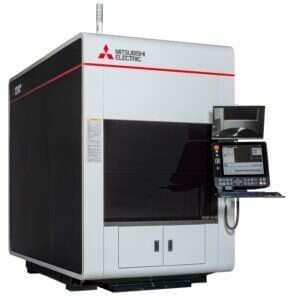
This compact electric aircraft features body parts made by using a nylon laser sintering machine which is capable of building up components via layering. Once the components are created, they can easily be attached in a few minutes, before the electronics and motors are added.
This 3D-printed aircraft is not merely a concept project but is already being put into practical use, flying over Antarctica to study and establish routes for icebreaking ships. This in itself proves the efficacy and practical nature of 3D-printed aircraft, which could be used for a variety of autonomous projects.
What Makes This Trend Stand Out
- 3d-printed Aircraft
- Opportunity for disruptive innovation in the aviation industry, allowing for cost-effective and efficient production of aircraft parts.
- Nylon Laser Sintering Machine
- Opportunity for disruptive innovation in the manufacturing industry, enabling the creation of complex components through layering.
- Autonomous Projects
- Opportunity for disruptive innovation in various industries, utilizing 3D-printed aircraft for autonomous missions and data collection.
Sectors Adopting This
- Aviation
- The aviation industry can leverage 3D-printed aircraft to reduce production costs and improve performance.
- Manufacturing
- The manufacturing industry can benefit from the adoption of nylon laser sintering machines to create complex and customized components.
- Research and Development
- The research and development industry can utilize 3D-printed aircraft for autonomous missions, data collection, and exploration.