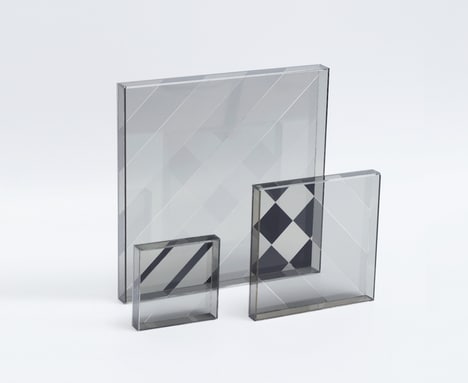

MIT researchers introduced ShiftLens, a 3D-printed appearance system that creates objects whose surfaces change appearance when physically manipulated, without requiring electronics. The system combines a layer of tiny lenticular lenses with a patterned backplane, allowing different images or patterns to appear when the layers shift relative to one another.
ShiftLens structures can be produced in a single pass on a multimaterial 3D printer and activated through motions such as pressing, sliding or turning. Demonstrations included a chemical bottle that changes from a green check mark to a red warning symbol depending on cap position, as well as a tic-tac-toe board with mechanically controlled visual states. A design tool automates the optical and mechanical calculations needed to create printable structures.
The approach could support durable, self-contained visual feedback for products, industrial equipment and outdoor signage without sensors, batteries or circuitry.
Image Credit: MIT
Key Themes Behind This Trend
- Mechanical Visual Interfaces
- Physical movement becomes a medium for embedded feedback, creating opportunities for durable product communication that functions without screens, sensors, or power.
- Passive Smart Materials
- Non-electronic surfaces with programmable appearances point to new forms of low-maintenance intelligence across tools, packaging, and built environments.
- 3d-printed Optics
- Multimaterial printing enables integrated lens-and-pattern systems that can transform visual design, prototyping, and functional labeling in a single fabrication process.
Where This Applies
- Industrial Safety
- Equipment labels and hazard indicators gain value from self-contained visual states that remain legible in rugged settings without wiring or battery upkeep.
- Consumer Packaging
- Caps, closures, and containers can communicate freshness, correct use, or tampering through mechanically triggered surface changes built directly into the package.
- Outdoor Signage
- Weather-resistant signs using passive appearance shifts offer a path toward interactive public information systems that avoid electronic infrastructure.