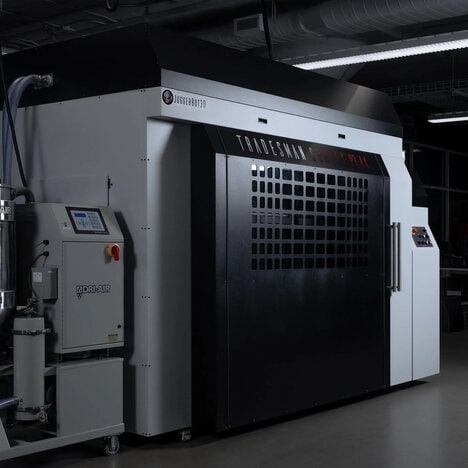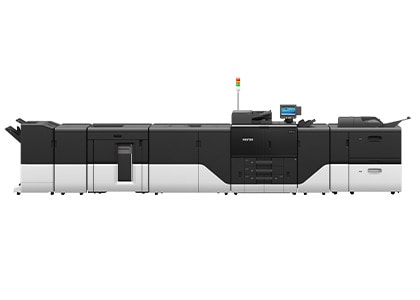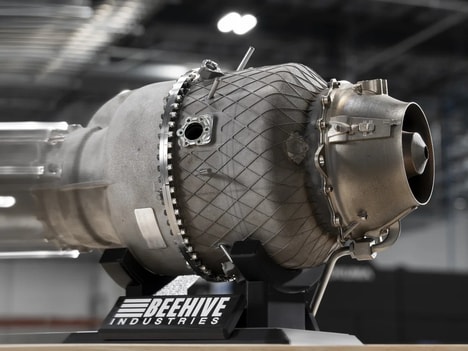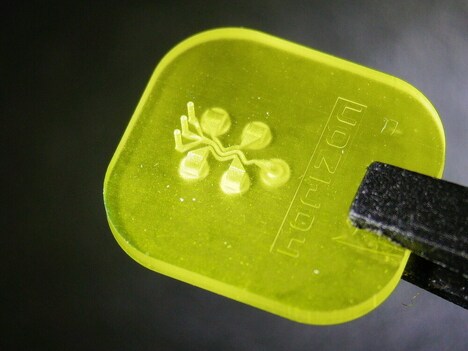
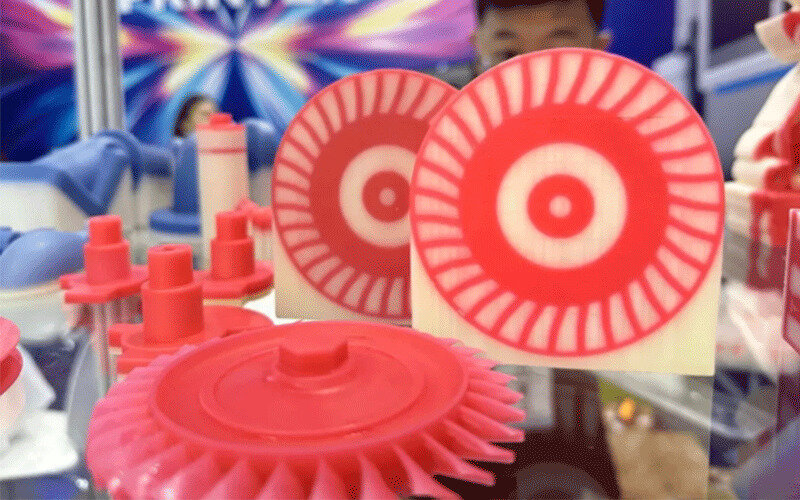
3D-printed casting patterns are helping ZCZH modernize investment casting by replacing traditional tooling and manual wax pattern production with a fully digital process. The company’s wax-jetting system uses Xaar Nitrox printheads to precisely deposit wax materials directly from 3D design data. Continuous fluid recirculation and controlled droplet placement help maintain accuracy across complex geometries, while high-viscosity capabilities support reliable industrial production. The approach reduces production cycles from days to hours and enables tool-free manufacturing for small batches and highly detailed components.
For manufacturers, digital wax jetting can reduce dependence on costly tooling while making design changes and product iterations faster to implement. This flexibility could benefit aerospace, automotive, medical device and industrial equipment companies producing specialized components. The technology also demonstrates how additive manufacturing can move beyond prototyping and support repeatable, scalable production within established industrial casting workflows.
Image Credit: Xaar
What Makes This Trend Stand Out
- Digital Casting Workflows
- Tool-free wax pattern production compresses lead times and gives manufacturers greater flexibility for complex, low-volume, and customized component programs.
- Industrial Wax Jetting
- Precision droplet control and high-viscosity material handling expand additive manufacturing from prototype applications into repeatable production environments.
- Rapid Design Iteration
- Direct printing from 3D design files makes engineering revisions less dependent on hard tooling, enabling faster refinement of specialized parts.
Sectors Adopting This
- Investment Casting
- Digital pattern creation modernizes established foundry processes by reducing manual wax work and improving responsiveness for intricate geometries.
- Aerospace Manufacturing
- Small-batch production of lightweight, highly detailed components benefits from shorter development cycles and reduced tooling constraints.
- Medical Device Manufacturing
- Customized and precision components become more practical as digital wax patterns support faster iteration and scalable casting workflows.