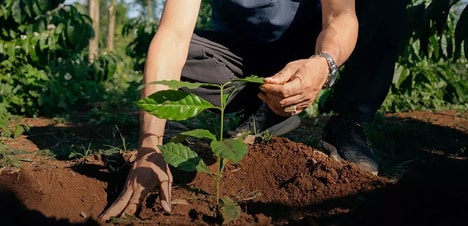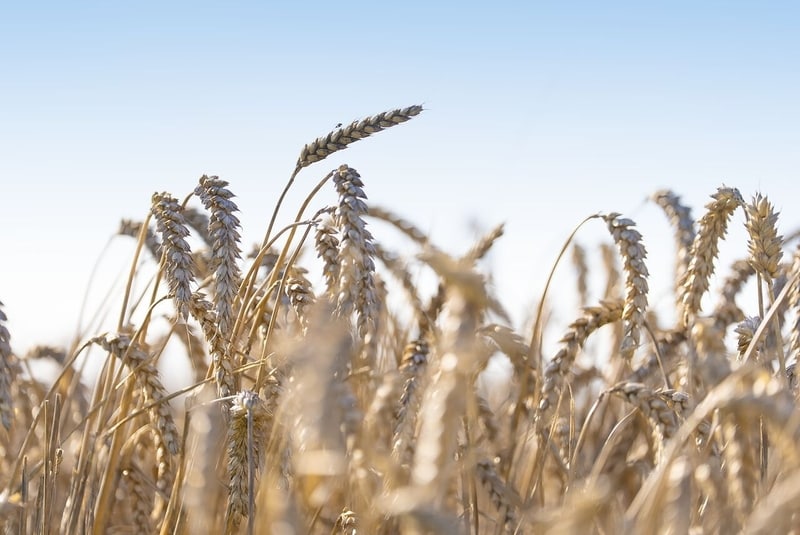
Puratos — global supplier of ingredients for the bakery, sweet goods, and chocolate sectors — has announced a significant expansion of its regenerative agriculture initiatives within its U.S. wheat supply chain, with the goal of enrolling approximately 30% of its wheat flour volumes into mass balance programs through partnerships with farmers, cooperatives, and milling partners. This move moves beyond pilot projects to broader, practical implementation that focuses on outcome-based farming techniques such as crop rotation, reduced tillage, and cover cropping. These are intended to improve soil health, enhance biodiversity, and support water retention, ultimately creating more resilient agricultural systems.
Puratos has set a publicly stated target of reaching 50% regenerative sourcing for its wheat supply chain by 2030, and this current enrollment represents a structured, measurable step toward that objective.
Image Credit: Puratos
Key Themes Behind This Trend
- Regenerative Supply Chains
- Outcome-based sourcing models are reshaping ingredient procurement by linking soil health, biodiversity, and resilience metrics to commercial supply agreements.
- Mass Balance Agriculture
- Verified mass balance programs create scalable pathways for food companies to support regenerative practices without requiring fully segregated commodity flows.
- Climate-resilient Wheat
- Wheat systems centered on cover cropping, reduced tillage, and crop rotation introduce new value propositions around yield stability, water retention, and long-term farm viability.
Where This Applies
- Bakery Ingredients
- Ingredient suppliers can differentiate through regenerative wheat inputs that align sustainability claims with measurable agricultural outcomes.
- Agricultural Cooperatives
- Cooperatives occupy a pivotal role in aggregating farmer participation, documentation, and incentives for large-scale regenerative sourcing programs.
- Flour Milling
- Milling partners gain strategic relevance as traceability, certification, and mass balance verification become embedded in commodity processing.