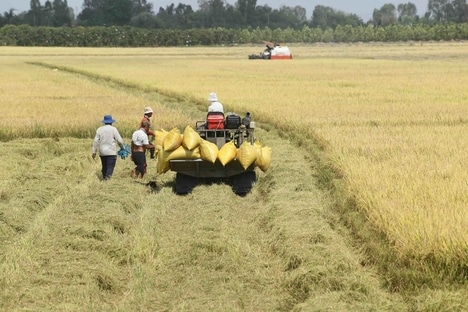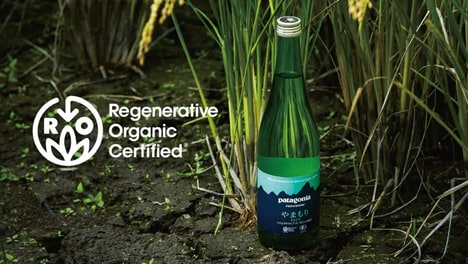

Regenerative agriculture programs are gaining momentum as food and beverage companies seek collaborative ways to improve sustainability across global supply chains. SAI Platform's Regenerating Together Programme is supported by major organizations including Carlsberg, Diageo, FrieslandCampina, and Mondelēz, establishing shared outcomes and indicators for areas such as soil health, biodiversity, water stewardship, and climate resilience. The initiative also allows flexibility for local adaptation, making it applicable across diverse agricultural systems and regions.
The program highlights a growing shift toward industry-wide collaboration in addressing environmental and supply chain challenges. By creating a common framework, participating companies can more easily measure progress, align sustainability efforts, and support farmers through a consistent set of expectations. This approach may help reduce fragmentation across the food sector while improving transparency and accountability. As consumer demand for responsibly sourced products continues to grow, collaborative programs like this could influence how food companies manage agricultural supply chains in the years ahead.
Image Credit: Drazen Zigic/Shutterstock
What's Driving This Trend
- Industry-wide Collaboration
- Creates a unified platform where competitors align on shared environmental goals, enabling cross-brand learning and pooled resources for large-scale regenerative outcomes.
- Standardized Sustainability Metrics
- Establishes common indicators for soil health, biodiversity, water stewardship, and climate resilience that support comparable measurement and performance benchmarking across suppliers.
- Localized Adaptation Flexibility
- Combines a global framework with region-specific practices, allowing interventions to reflect local agronomic conditions and cultural norms while maintaining overarching accountability.
Who This Affects Most
- Food and Beverage
- Faces transformative pressure to integrate regenerative sourcing into product portfolios, affecting brand differentiation, procurement strategies, and consumer transparency expectations.
- Agricultural Technology
- Sees demand for tools that capture standardized soil and biodiversity metrics across diverse geographies, creating marketplaces for interoperable sensors, analytics, and advisory services.
- Supply Chain Management
- Requires new traceability and reporting systems that reconcile multi-stakeholder sustainability criteria and enable transparent verification across complex supplier networks.