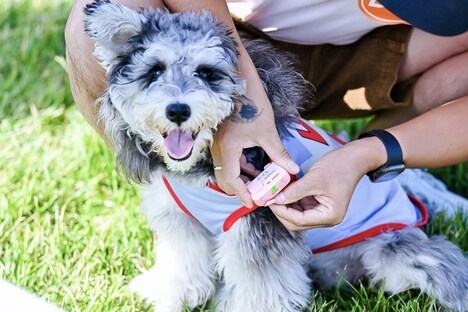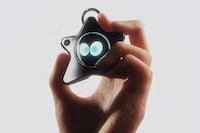
Ouren built the 'M1' to give pet owners a first-person record of walks and roaming while helping them track where an animal goes. The wearable pet camera is designed for dogs and cats, pairing short video capture with location tracking so an outing can serve as a breadcrumb trail if a pet wanders off.
At 50 g, the M1 stays light enough for a pet to wear, and dual microphones capture the sounds around each outing for the final recording. That fuller point of view matters most when a pet moves too fast to watch closely in the moment.
For shoppers, this means a pet camera can justify itself as both a memory maker and a recovery tool. That convergence shifts the category beyond novelty footage alone, and competing pet wearables now have to meet expectations for finding a lost animal as well as capturing the fun parts.
Image Credit: Ouren
Key Themes Behind This Trend
- Dual-purpose Pet Wearables
- Pet devices that combine entertainment capture with safety utilities create room for subscription services, bundled insurance perks, and premium hardware differentiation.
- First-person Animal Media
- Pet-perspective video transforms everyday walks into shareable content, opening new value in creator tools, automated highlight reels, and social pet platforms.
- Location-enhanced Memory Capture
- Combining GPS trails with video and audio adds contextual storytelling to personal media, enabling richer archives for families and stronger recovery features for anxious owners.
Where This Applies
- Pet Technology
- Smart collars, trackers, and wearable cameras are expanding into multifunctional ecosystems where safety, health, and content creation converge.
- Consumer Electronics
- Lightweight cameras with location sensing point to new device formats built around passive capture, miniaturized components, and everyday companionship use cases.
- Pet Insurance
- Recovery-oriented tracking data can support risk reduction models, lost-pet prevention benefits, and more connected policyholder experiences.