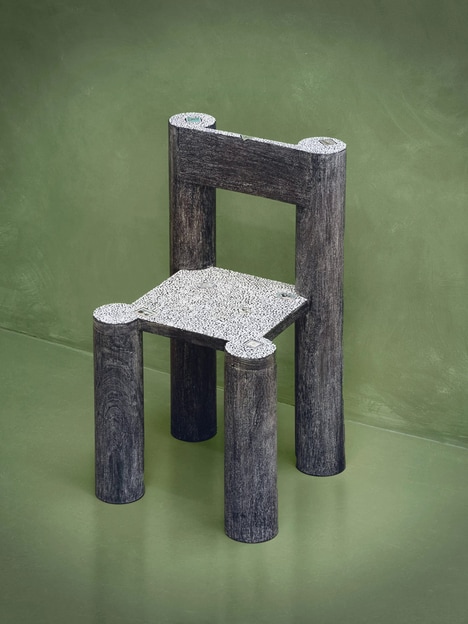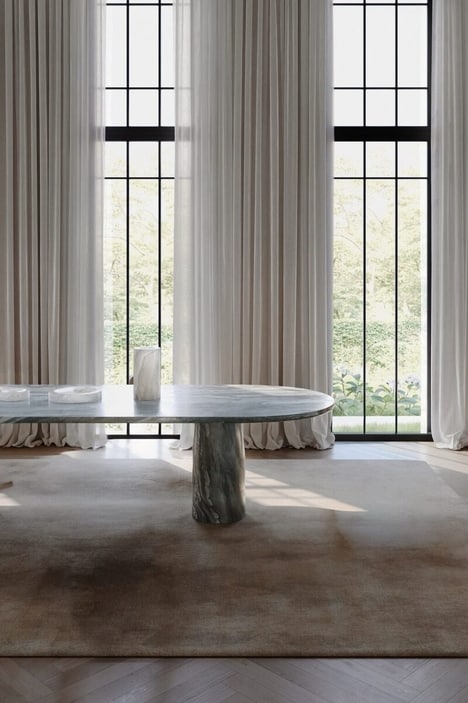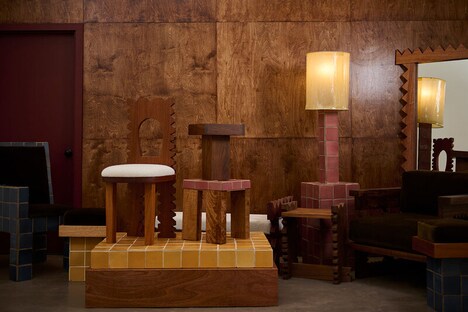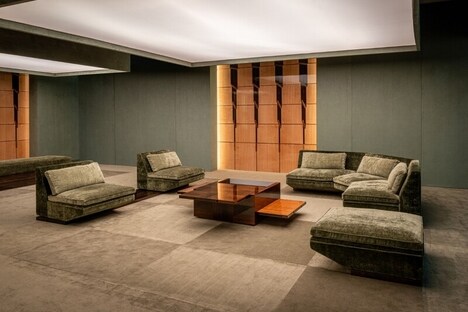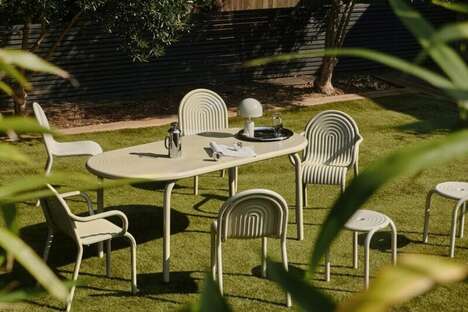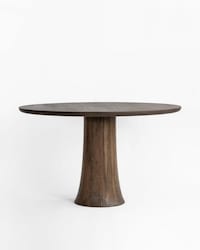
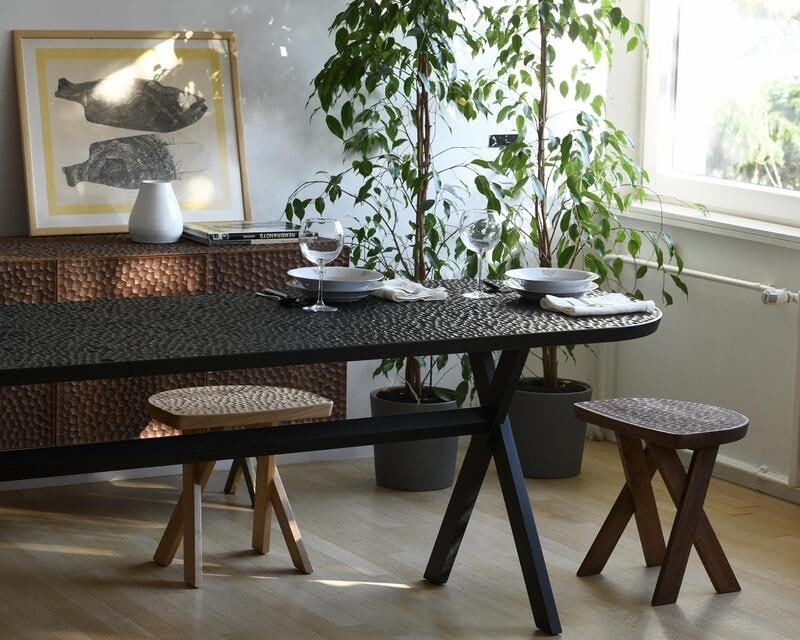
The stunningly intricate Touch Collection, produced by the furniture maker Zanat in collaboration with Studioilse, encompasses a range of domestic items, including seating, tables, storage units, lighting, and decorative bowls. The defining characteristic of the series is the application of intricate, manually carved textural patterns across the surfaces of each object. This design direction is intended to stimulate physical interaction and sensory engagement.
The production process for the Touch Collection, thus, emphasizes traditional artisanal skills from Bosnia and Herzegovina. These intricate carving techniques have been recognized by UNESCO's Intangible Cultural Heritage of Humanity List.
The Touch Collection by Zanat and Studioilse effortlessly blends modern furniture forms with regional historic craftsmanship to deliver stunning pieces that will contribute an organic and tactile warmth to contemporary interiors.
Image Credit: Zanat and Studioilse
What's Driving This Trend
- Artisan-centric Home Decor
- The rise of artisan-centric home decor emphasizes handcrafted techniques, creating opportunities for unique, culturally resonant designs in modern interiors.
- Sensory-engaging Furniture
- Furniture designed to enhance sensory engagement presents a fresh avenue for interactive design, encouraging a deeper consumer connection with physical products.
- Heritage-inspired Modern Furnishings
- Combining traditional craftsmanship with modern design elements offers a path to innovation by revitalizing cultural heritage in everyday home furnishings.
Who This Affects Most
- Luxury Home Goods
- In the luxury home goods industry, the incorporation of manually crafted textures adds a layer of bespoke appeal to high-end furniture collections.
- Sustainable Interior Design
- The sustainable interior design sector can benefit from using artisanal craftsmanship to enhance aesthetic value while maintaining eco-friendly practices.
- Cultural Heritage Preservation
- Efforts in cultural heritage preservation are finding new context and appreciation through the adaptation of traditional techniques in contemporary product design.