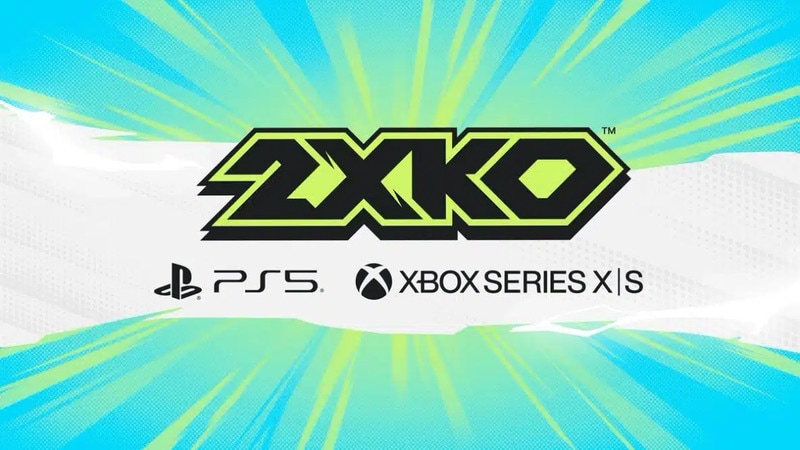
Riot Games scheduled the console release of 2XKO for January 20, 2026 on PlayStation 5 and Xbox Series X|S, with cross‑platform play and shared progression between console and PC. Season 1 of 2XKO begins on the same date and introduces a new champion and a Battle Pass; Riot published staggered global launch times for regions including Los Angeles, London, Seoul, and Sydney, and noted a temporary offline window on January 20 from 9:00 AM to 6:00 PM Pacific while allowing players who have logged in at least once to play offline.
Riot also outlined the 2026 competitive framework for 2XKO, which relies on partnerships with community organisers rather than a single Riot‑run league, providing promotional support and prize pool funding to 20 events. The Competitive Series for 2026 comprises five majors and 15 challenger events, with each season featuring one major and three challengers; the first major is scheduled to coincide with the Frosty Faustings XVIII festival later in January. Riot announced a themed cosmetic set for Season 1, with a portion of proceeds allocated to support tournament organisers and event costs.
Image Credit: Riot Games
What's Driving This Trend
- Cross-platform Gaming Integration
- The seamless integration of cross-platform play and shared progression between consoles and PCs expands accessibility and enhances user engagement in multiplayer games.
- Community-driven Competitive Frameworks
- Shifting to community organiser partnerships for competitive gaming oversight fosters grassroots involvement and invigorates local esports ecosystems.
- In-game Monetization with Social Impact
- Allocating a portion of in-game cosmetic sales to support tournament costs presents a sustainable model for community-benefiting revenue streams.
Who This Affects Most
- Video Game Development
- The industry is evolving with innovations like cross-platform capabilities, offering developers various strategies for expanding their game's reach.
- Esports and Competitive Gaming
- A collaborative model with community organisers for competitive tournaments creates opportunities for diverse event hosting and sponsorship arrangements.
- Digital Commerce and In-game Purchasing
- Innovations in allocating cosmetic sales revenue to support gaming events highlight a novel approach in blending digital transactions with social responsibility.